
As we experience a resurgence of classic survival horror, I often wonder what truly defines the genre today. Games like Hollowbody remind me that, at their core, it’s not about high-end graphics or overly complicated mechanics—it’s about atmosphere, tension, and the feeling that, at any moment, the world could close in on you. Throw in some sci-fi themes, and you have the Headware Games-developed Hollowbody that delivers a survival horror experience through a unique retro-modern lens.
An Atmospheric Return to Survival Horror
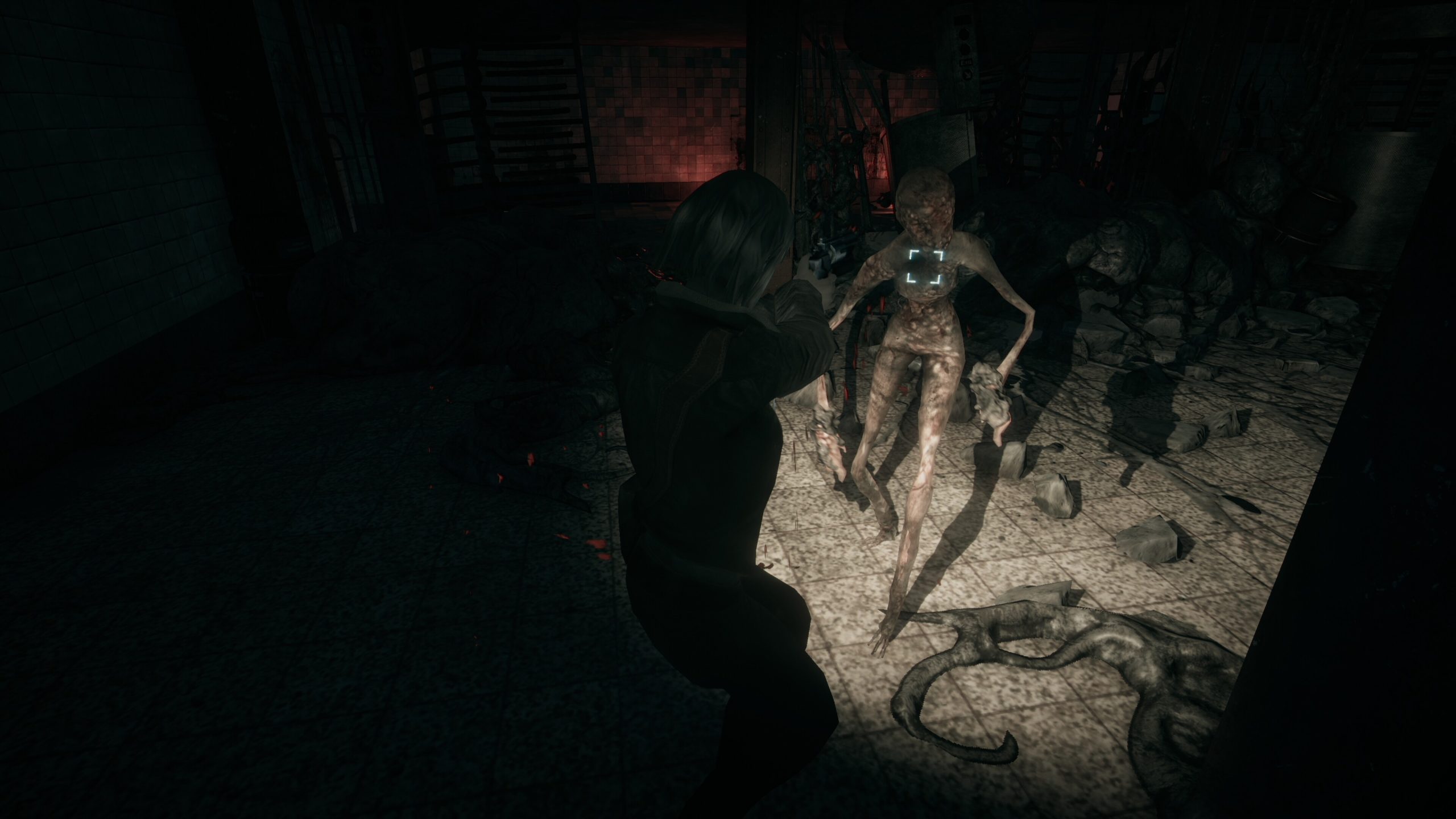
Hollowbody centers around Mica, an unlicensed black market shipper searching for her partner, Sasha, in a desolate exclusion zone. It’s a well-worn setup, but what stands out here is the world-building. As you explore the decaying remnants of a forgotten society, the environment speaks to you in ways dialogue never could. Every crumbling building, abandoned street, and eerie silence feels like it has a story to tell. There’s an unease in knowing that something went horribly wrong here, but the game keeps the details tantalizingly vague, allowing the player’s imagination to run wild.
Tension and World-Building Done Right
What really hits home in Hollowbody is the tension. It doesn’t rely on jump scares or overt horror tropes to unsettle the player. Instead, the game opts for a slow burn, building dread through its oppressive atmosphere and sound design. The static-laden crackles of your radio, the distant clang of metal echoing through empty streets—it all contributes to a sense of isolation and vulnerability. Mica is not a soldier or a hero; she’s just trying to survive, and that human vulnerability is the heartbeat of the experience.
The combination of classic fixed camera angles and modern graphics creates a nostalgic yet fresh horror experience.
It’s these moments that keep you invested, even if the direction of the narrative can leave a lot to the imagination as information is drip-fed to you across the opening hours. At first, the opening pacing seems off as it features large areas with seemingly nothing to do or interact with. I thought I accidentally put the game in Easy mode for the first hour of gameplay because I didn’t encounter any enemies yet found ammunition. However, eventually, the narrative and setting find its footing, but immersion in this world doesn’t come as naturally as, say, Resident Evil. Still, I believe that has something to do with Hollowbody’s unique presentation.
Classic Survival Horror Mechanics
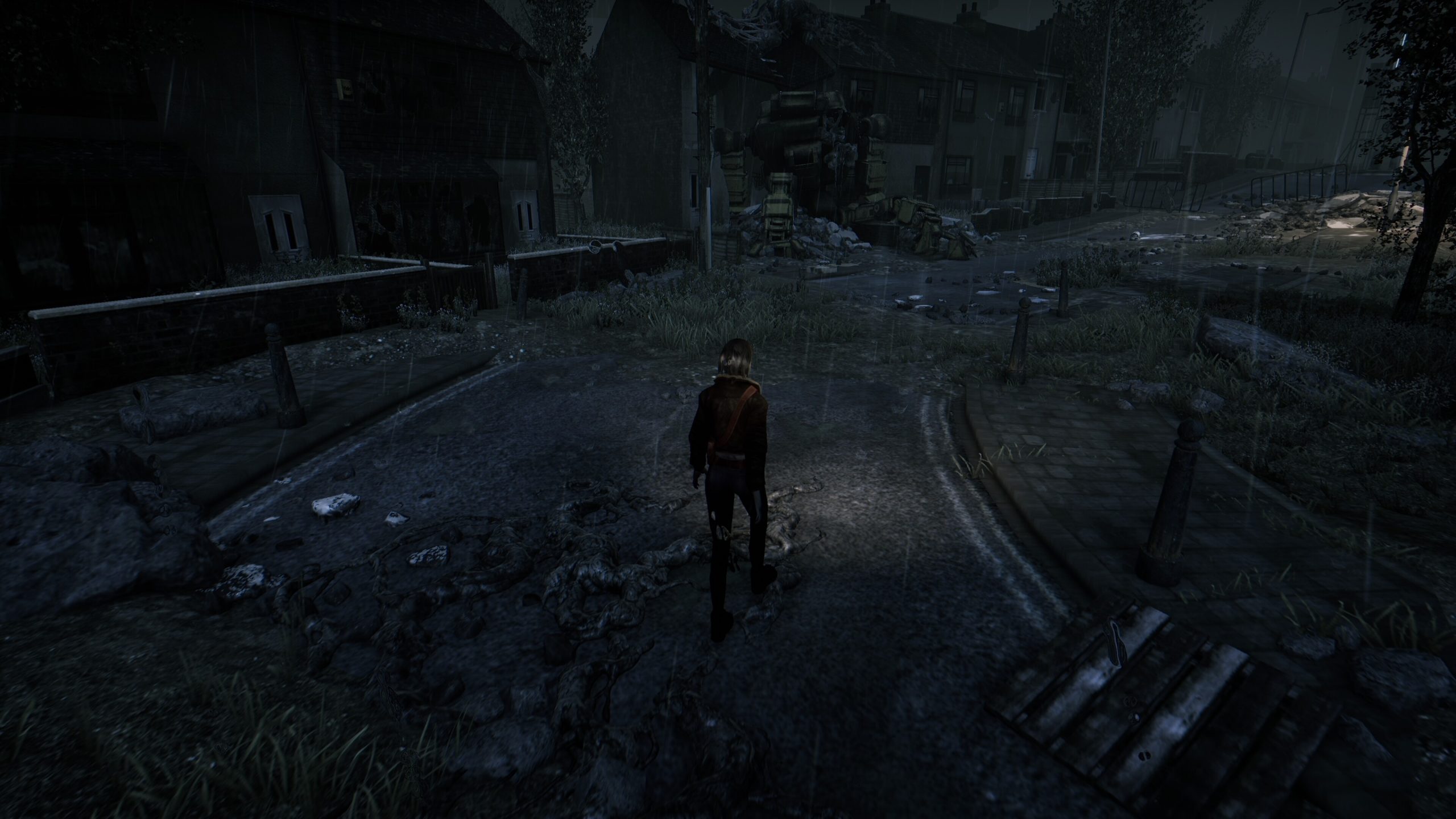
While Hollowbody excels in creating an atmosphere of tension, the gameplay itself leans into classic survival horror mechanics—limited resources, environmental puzzles, and combat that feels more about survival than action. It’s a deliberate choice, echoing the likes of Silent Hill and Resident Evil. The fixed camera angles and tank-like controls are an homage to the genre’s roots, and while it’s clear this was an intentional design decision, it may feel off to those not used to early 2000s game design. That said, for fans of that era, it strikes the perfect nostalgic note. Regardless, there are options for modern controls, but going into your menu to use items is always a big ask in modern games.
Combat and Puzzles: A Mixed Bag
Combat, while serviceable, is one area that feels like it could use more depth. The weapon variety is limited, and encounters with enemies can sometimes feel repetitive. Mica’s lack of combat training adds to the tension, as she fumbles through encounters, but there were moments where I wished the enemy AI or combat mechanics offered a bit more variety or challenge. I quickly found ways to cheese through enemies by stun-locking them with melee hits, so the challenge varies depending on your willingness to find an attack pattern that avoids taking damage.
World Design and Exploration
One of the highlights of Hollowbody is the attention to detail in the world design. The exclusion zone feels like a character in its own right—oppressive, decayed, and dripping with atmosphere. You traverse abandoned factories, decayed residential areas, and eerie underground passages, all while piecing together what happened to this world. It’s in these moments of exploration where the game shines, encouraging the player to take their time and absorb the environmental storytelling. You might stumble upon a note or document that sheds light on this world, but the game never hand-holds, leaving much of the backstory to player interpretation.
However, as much as Hollowbody succeeds in delivering a nostalgic survival horror experience, the puzzles could have been balanced further. As you explore, environmental puzzles will hinder progression. While functional, the challenge is all over the place. Some puzzles can be completed without much thought, while others might requires a quick note to keep track of.
Post-Game Content and Replayability
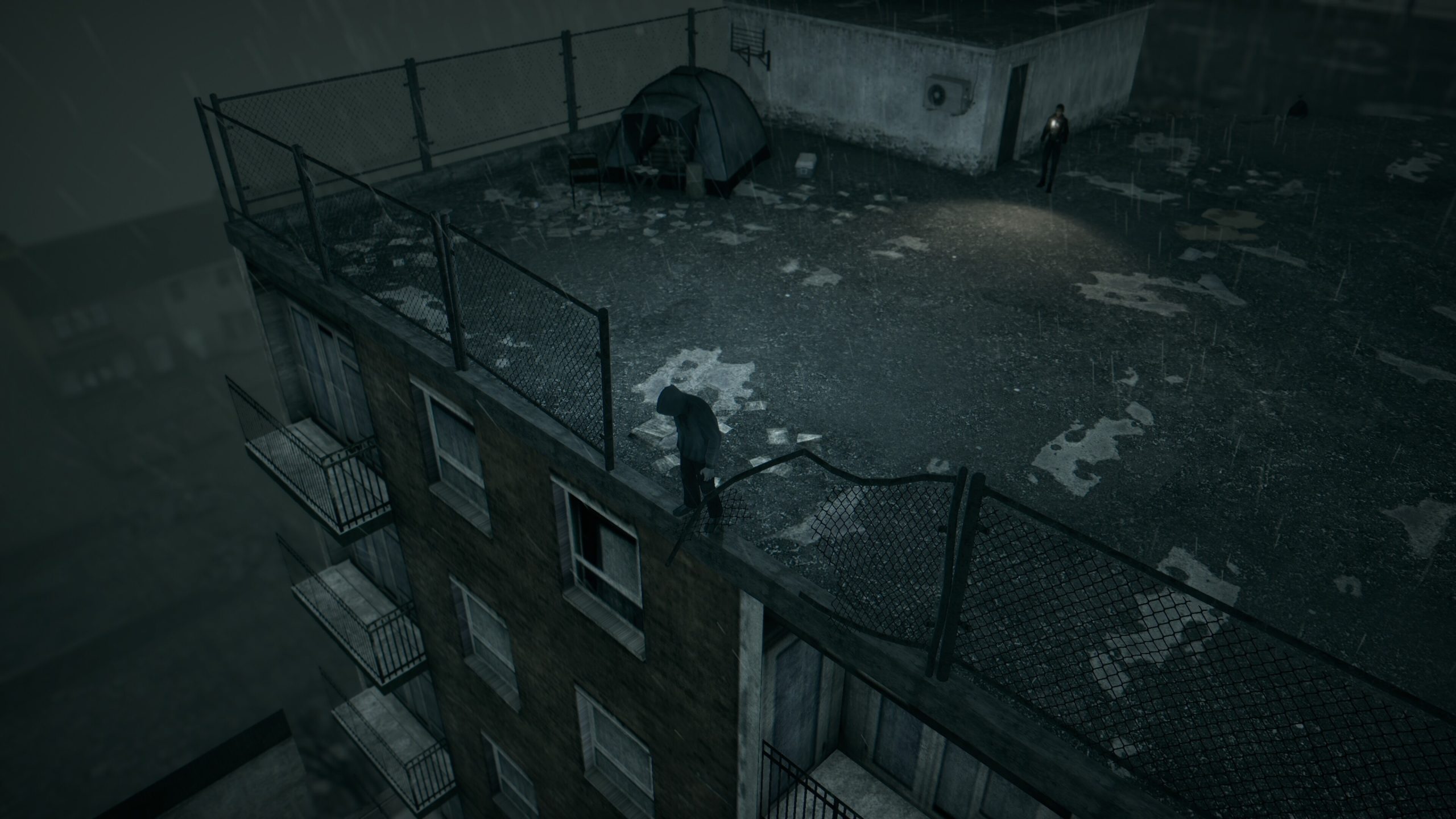
One of the more unexpected delights of the game is its post-game content. New Game+ offers a first-person mode, adding a fresh perspective to the already tense atmosphere. It’s a small addition, but one that shows the developer’s dedication to giving players reasons to return. I also appreciated that the developer didn’t use an overlay filter to artificially age the game’s visuals. It gives the entire experience a sort of modern-retro look with the way they used polygons in the Unity Engine.
Hollowbody captures the essence of survival horror with its atmospheric tension, where every decayed building tells a story.
Hollowbody is a love letter to the survival horror genre of the early 2000s. It’s not without its flaws, particularly in combat variety and puzzle depth, but its strengths far outweigh its shortcomings. For fans of classic survival horror, it offers a beautifully atmospheric, tension-filled experience that feels both nostalgic and new. It becomes a game that you want to see through, if only to witness how far this rabbit hole goes. I’m looking forward to seeing more from this developer in the future.
Hollowbody (PC)
Hollowbody offers a compelling retro-modern survival horror experience. Set in a decayed exclusion zone, players control Mica as she searches for her missing partner, unraveling a tense and atmospheric story. With fixed camera angles, limited resources, and environmental puzzles, the game pays homage to classic horror titles like Silent Hill and Resident Evil. While combat and puzzle balance may falter, the game’s immersive world-building and attention to detail make it a must-play for fans of the genre.
The Good
- Atmospheric World-Building – The exclusion zone feels alive with tension and mystery, enhancing the horror experience.
- Classic Survival Horror Mechanics – Fixed camera angles, limited resources, and environmental storytelling pay homage to early 2000s horror games.
- Modern-Retro Visuals – Strikes a perfect balance between nostalgic and modern aesthetics without relying on filters.
- New Game+ Mode – The addition of a first-person mode adds replayability.
The Bad
- Combat Lacks Depth – Limited weapon variety and repetitive encounters can make combat feel monotonous.
- Unbalanced Puzzles – Puzzle difficulty varies wildly, affecting pacing.
- Slow Start – Early exploration can feel uneventful before the game hits its stride.
