
UPDATE 3/2/2023: We have made updates to this guide following recent developments, now including Drama CDs as well as details regarding Trails into Zero, Trails into Azure, Trails into Reverie, and Kuro no Kiseki.
UPDATE 7/13/2024: We have made updates to this guide following the recent Western launch of The Legend of Heroes: Trails through Daybreak and the Western announcement of its sequel. Some sentences have also been modified/removed to avoid miscommunication following the launches of multiple games.
Additionally, some grammatical fixes have been made, the importance of Trails of Cold Steel II New Game Plus has been mentioned, and two Trails in the Sky manga have been added. Lastly, The Legend of Heroes Kai no Kiseki -Farewell O Zemuria has been noted.
This guide was initially published in 2021.
The Trails series is a collective JRPG titan boasting engaging character relationships, intricate world-building, overarching plot threads, and much more. With us now nearly caught up in the West, now is a wise time for any intrigued prospective parties to dive into this franchise and give it a shot.
Ordinarily, for a series with such vital connective tissue as this, release order would be the definitive way for players to experience these titles, and it arguably is in some ways. However, there are a few caveats that currently prevent that choice from being possible for Western fans. I also have some reasons why the release order is not necessarily objectively superior to the other orders one can choose to go with.
Regardless, there are three games every beginner fan should play, so let’s briefly overview their importance to the series at large and exactly why they should be first alongside the staple combat mechanics.
The Legend of Heroes: Trails in the Sky FC, SC, and Third Chapter
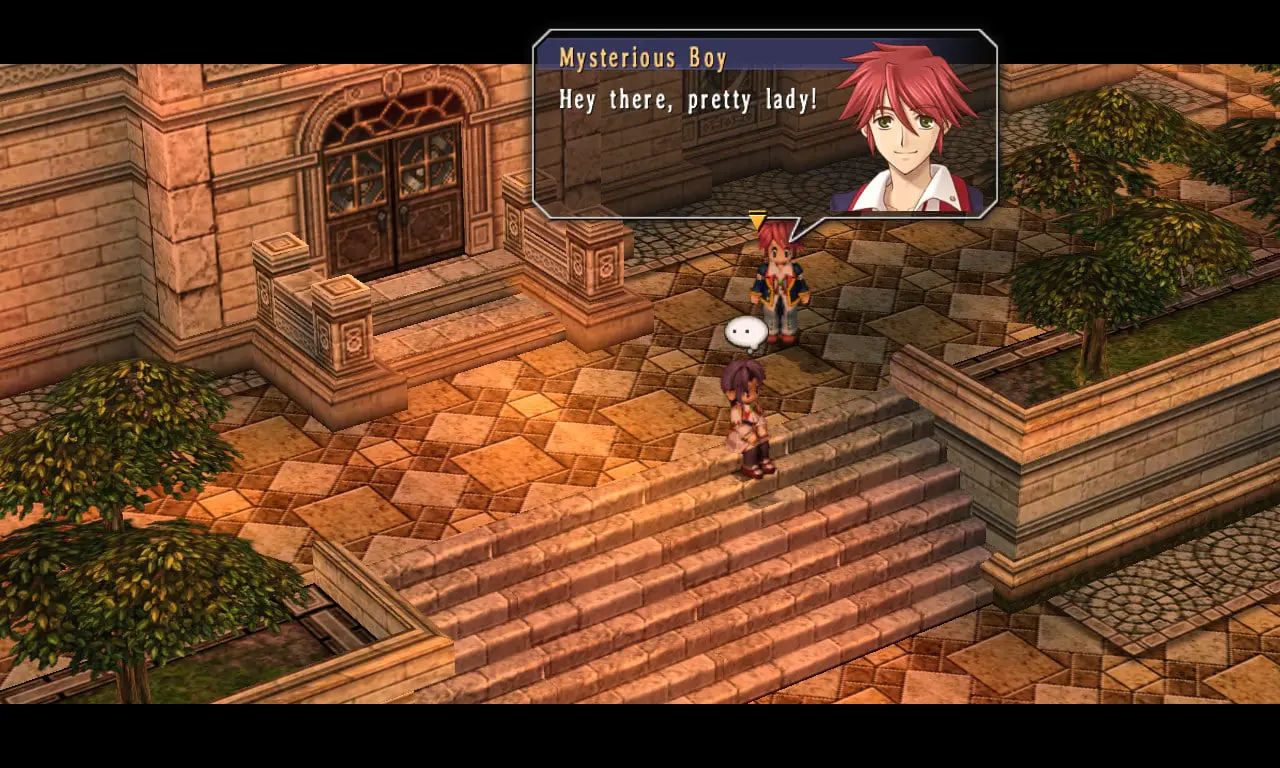
The very first Trails title players should attempt to experience is The Legend of Heroes: Trails in the Sky. Not only was this entry the first to be localized, but it is also the first game of the series as a whole. Players control protagonist Estelle Bright, a spunky and energetic young girl who becomes an up-and-coming Bracer alongside her adopted brother, Joshua Bright.
The two journey across the land of Liberl, aiding townspeople, solving mishaps, making allies, and uncovering a shrewdly veiled conspiracy. The sequel, The Legend of Heroes: Trails in the Sky SC, takes place right after the events of the initial title and concludes the story arc it sets up.
The Legend of Heroes: Trails in the Sky the Third is an unorthodox entry that, while taking place after the conclusion of SC, follows a different protagonist and conveys its story and characterizations in altogether distinct ways for the conventions the franchise has set up to that point. Some say this title is optional, but I couldn’t argue against that notion any more strongly. It is a vital hub, acting as a curtain call of sorts to the Sky saga proper, and it fleshes out certain characters who received minimal times of limelight in the prior two entries.
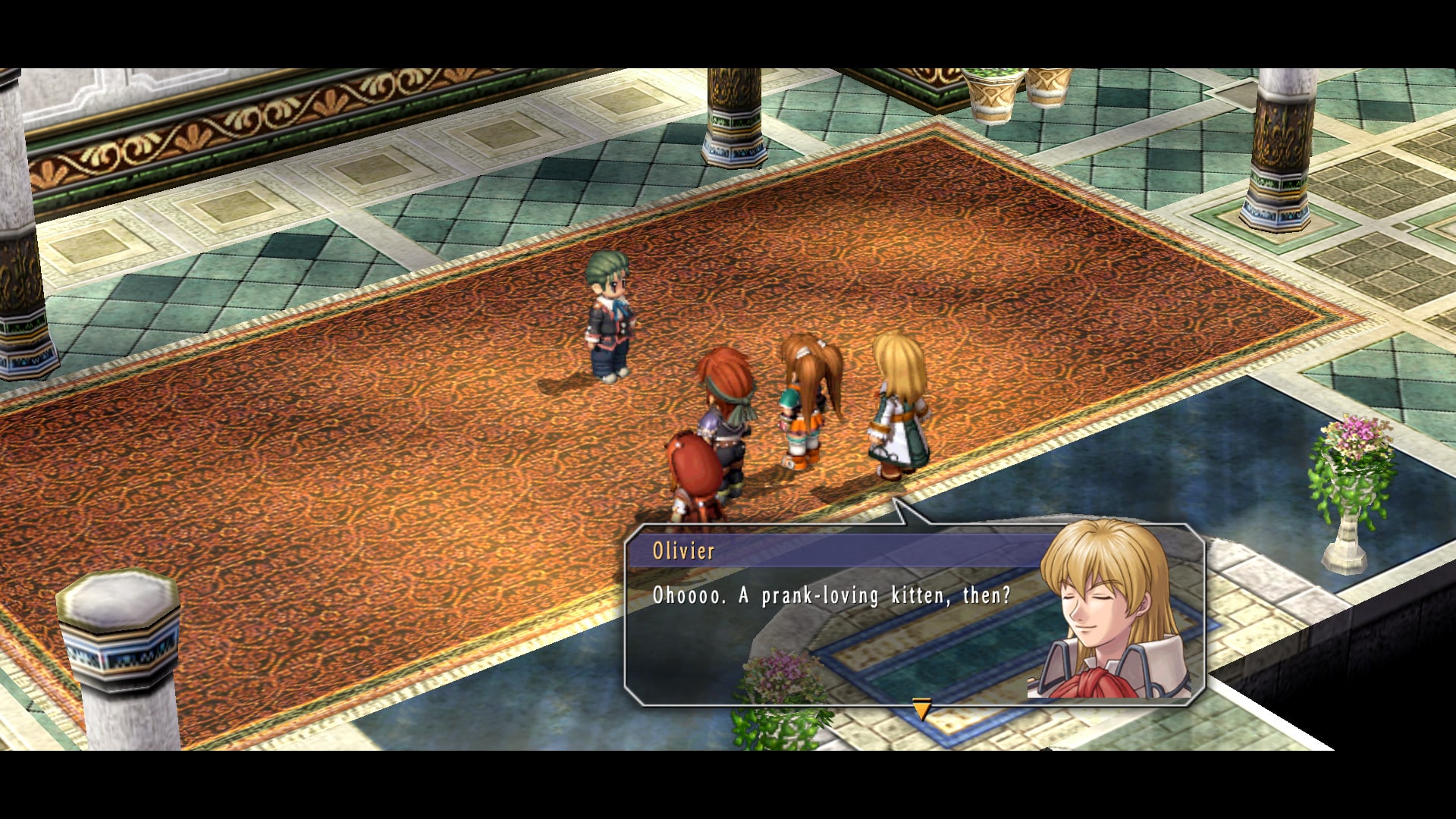
Combat in these titles is turn-based, with several elements to take conscious note of. Firstly, characters have 2 gauges aside from their HP. The blue gauges are EP and used for casting Arts, which essentially equates to mana and spells. Enemies all have elemental affinities and the like, and certain spells buff the party and debuff the enemies; standard RPG systems.
The orange gauges are CP and used for performing Crafts, which are character-specific skills with varied utilities. With Crafts being character-specific, they are obviously quite situational and dependent on a player’s context.
Other mechanics permeate throughout the entirety of these games, most notably Sepith values. This impacts the primary gameplay element that offers a considerable degree of player agency and comes from equipping characters with Quartz, granting them stat boosts and specified levels of spells.
Each playable character has their own Orbment, which houses Quartz, and each Orbment is specifically tailored for each member of the cast. By this, I mean that some characters have slots that can only allow 1 element.
This system can be confusing to grasp at first, but to put it in as basic of a form as possible, each Quartz element, fire, wind, water, etc., has its own values. Depending on how high an elemental value is for a character’s Orbment, they will learn certain spells.
For example, let’s take the water spell ‘Tear,’ the default Art for healing. Think of it as ‘Cure’ from the Final Fantasy games. If a character knows ‘Tear’ from equipping beginner-level water Quartz, they can equip higher-leveled water Quartz later on, to learn ‘Teara,” a stronger form of ‘Tear.’
This new Quartz can be equipped in conjunction with the old one that granted ‘Tear’ to continually build up to higher levels of water magic. To make this less confusing, since I mentioned Sepith earlier, Sepith is merely what is contained within Quartz and determines the elemental values.
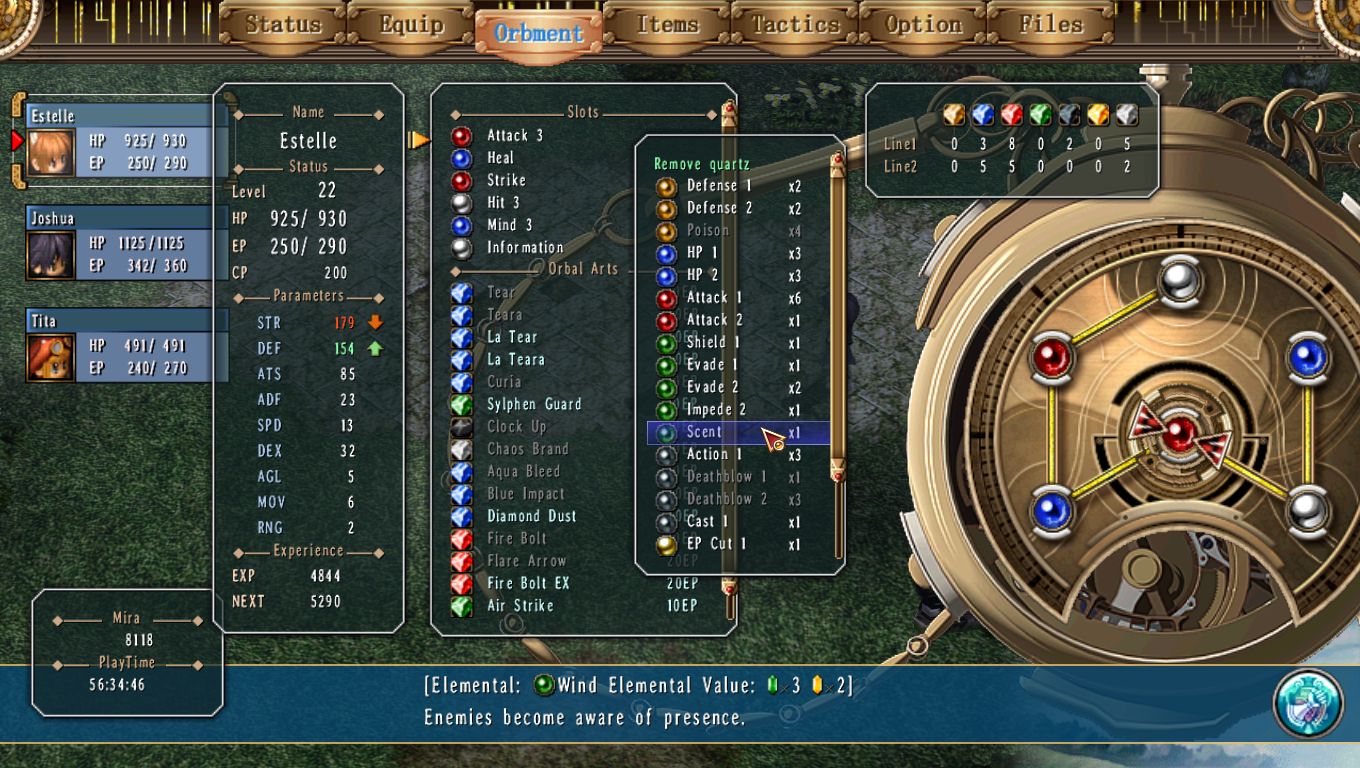
So think of it like this:
- Sepith is found from monsters, treasure chests, and quests, and they can be any element. The type of Sepith one finds is dependent on the monsters they kill, for instance.
- Sepith is then used to make various Quartz with their own elements, and they then go into the cast’s Orbments.
- Orbments can be thought of as containers that each playable character has. Therefore, equipping Quartz will influence stats and learned Arts. For example, equipping a variety of fire Quartz will grant the character several higher-level fire-related spells since the amount of fire Sepith ingrained within the Quartz determines the levels of spells one obtains.
Once again, this can be relatively overwhelming to grasp. In fact, it took me the entirety of the first Sky game to really understand how these systems worked. Still, figuring out the intricacies of Sepith values and Orbments is half the fun, and it can easily result in players experimenting with character setups for hours upon hours on end.
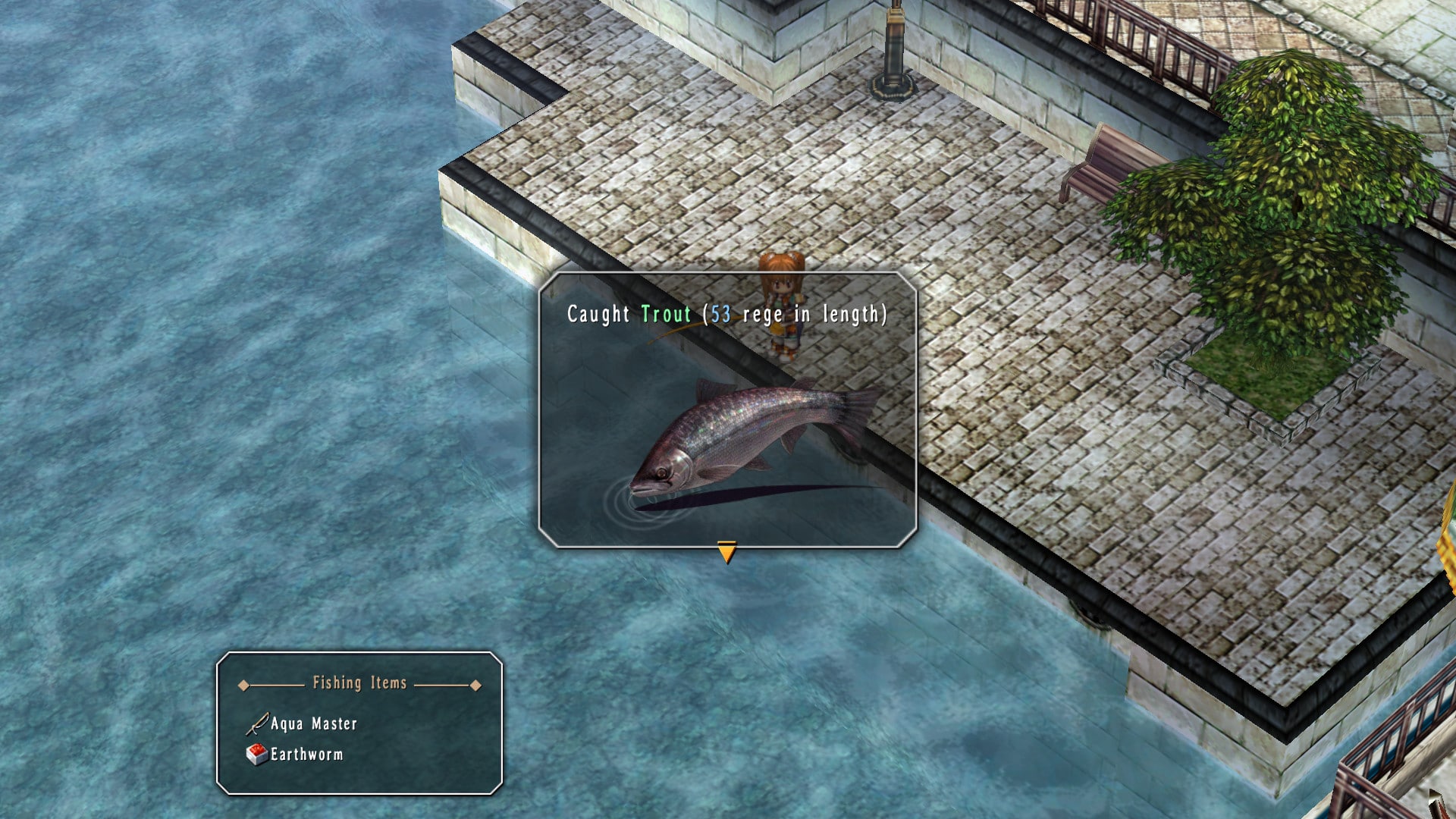
Aside from combat, the first two Sky games, and most of Trails by extension, are experts at creating immersive, populated locales full of memorable NPCs. I’d argue that some games accomplish this task better than others, but each town has its fair share of named NPCs with their own characterizations, plights, and relationships.
It is common in JRPGs to explore towns with nameless NPCs that get the basics of world immersion down while not feeling distinct. However, Trails takes this step immensely further and attempts to make each populated area chock full of actualized characters that aren’t just ornate decorative elements to make the world feel lived in.
The best way I can put it is that the people aren’t made for the towns, but towns are made for the people. As a result, most of the NPCs feel genuine and like real people first and foremost. This element is what truly sold me on Trails, alongside its other strengths.
The final element I will touch upon for the Sky games is how it manages to accomplish stellar world-building alongside delivering contained stories set within the confines of its particular setting. The Trails games are all set within the same world on the continent of Zemuria, and each saga of games takes place in a specific region.
The Sky games, for example, take place in Liberl. There is constant mention of the other regions of the world, too, though, such as Erebonia, the setting of the Cold Steel saga. The third Sky game hones in this specific facet and ultimately makes the world of Trails a natural and cohesive one.
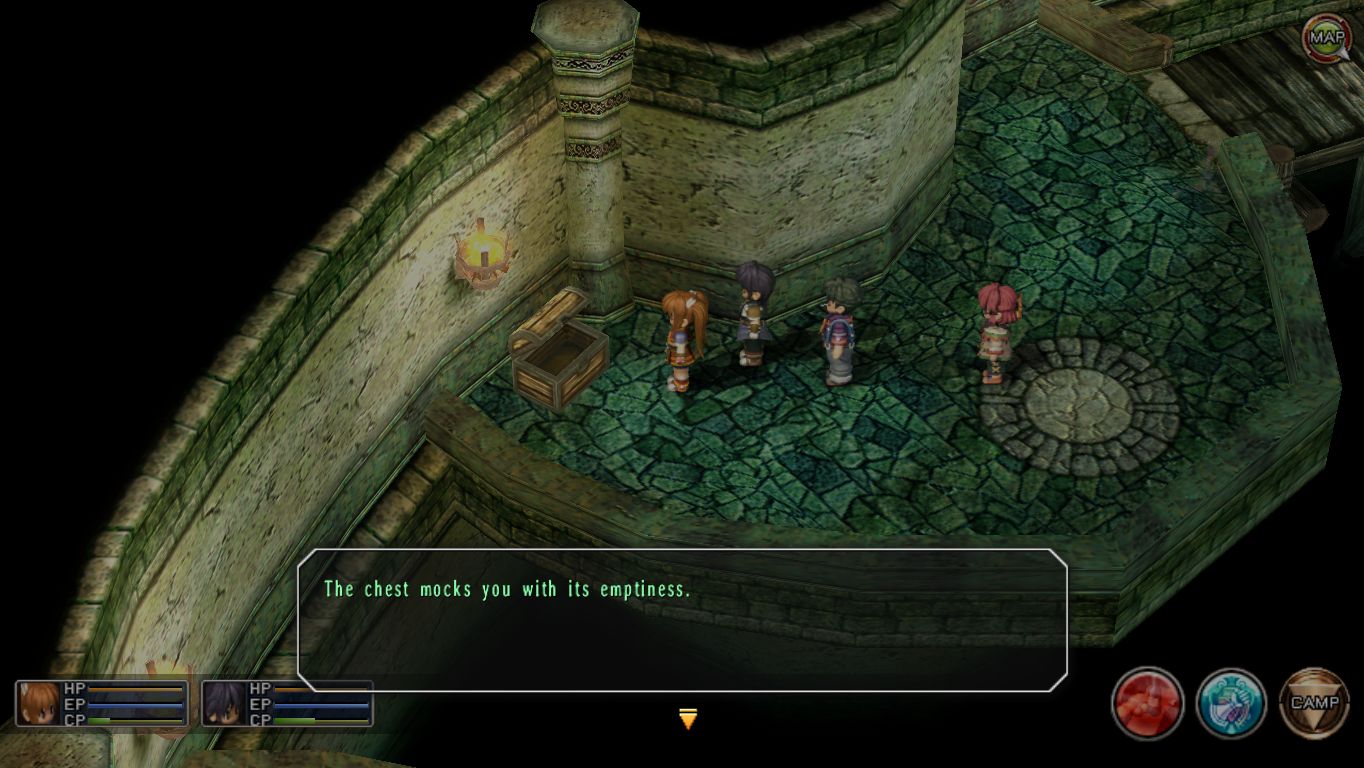
Hopefully, I’ve done a suitable job outlining and selling the Sky saga. I find these games vital to the collective Trails experience, as well as criminally underrated ones that deserve fathoms more attention. I have not mentioned other strengths, such as how the XSEED localizations for Sky include humorous, charming dialogue when examining treasure chests and how Sky Third’s localization expanded on this element to straight-up tell stories across said treasure chests. Still, I think I have said enough and have managed to generally demonstrate what makes the Sky saga so appealing.
On a personal note, this saga is rather precious and nostalgic since I have followed the games ever since around the time The Legend of Heroes: Trails in the Sky was first localized on PSP. It is not my favorite of the Trails arcs, but it is undeniably a masterclass in telling engaging narratives with realistically reactive characters in a genuinely immersive world. The personalized gameplay elements also enhance the immersion and agency players can embrace with Sepith values.
What makes playing the Sky trilogy somewhat odd for certain audiences nowadays is that the games are only available in a localized fashion on Steam and GOG, with no console ports available. The first two games were localized on PSP, and there have been ports of these games on other platforms, such as the Vita in Japan, with enhanced content, though with additions that don’t sit well with particular fans, such as a changed art style and altered soundtracks.
I find it best and most convenient to play the three Sky games on PC via Steam or GOG and not bother with the PSP releases since Third’s English release is absent. The PC versions also have turbo mode, making map navigation and battles a far swifter set of affairs. The way players desire to experience these games is obviously up to them, but I figured turbo is worth acknowledging.
UPDATE 3/2/2023: A fan-translated drama CD fans should check out is “Advanced Chapter,” occurring after Trails in the Sky the Third. This is not necessary viewing, but it provides endearing character interaction and closure.
UPDATE 7/13/2024: Two manga series worth bringing attention to are The Ring of Judgment and The Tale of Loewe: Trails of the Sky Gaiden. The former is a (likely) canonical prequel to Trails from Zero that follows the protagonists of the first two Trails in the Sky games, while the latter details the life of a significant Sky character by the name of Loewe.
Neither of these manga series is necessary reading, but they’re worthwhile side trips that can aid in appreciating select characters more. They should both be read after completing Sky in its entirety. In fact, Ring of Judgment is best recommended to read after completing chapter one of Trails from Zero. However, neither of these manga have seen official English releases, so you’ll have to find fan translations.
Next up on the list is the Crossbell duology, consisting of The Legend of Heroes: Trails from Zero and The Legend of Heroes: Trails to Azure.
The Legend of Heroes: Trails from Zero and The Legend of Heroes: Trails to Azure
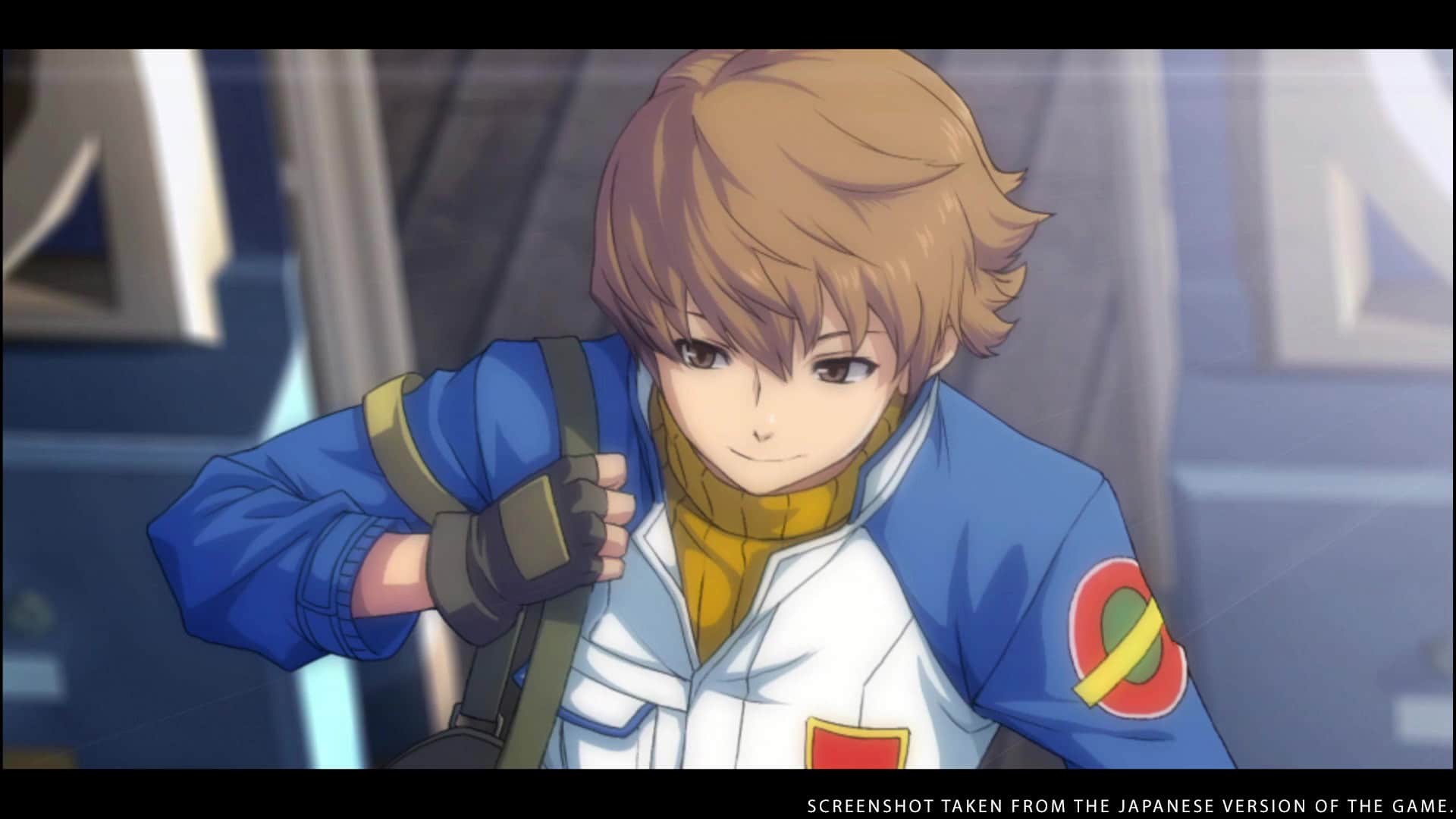
Trails from Zero and Trails to Azure previously received fan translations from the fan group Geofront, which are used in NIS America’s official localizations.
With that being said, let’s start with Trails from Zero. The Crossbell saga takes place after Sky the Third and focuses on new protagonist Lloyd Bannings alongside his teammates in the Special Support Section, frequently called the SSS for short. Lloyd is an up-and-coming detective trying to follow in the footsteps of his now-deceased brother and, with the SSS, aims to aid the citizenry of Crossbell in various ways.
They gradually uncover truths shrouded in the city’s secretive underbelly, though, and that’s where the appeal of the arc truly begins to shine. Trails to Azure takes place a while after the finale of Trails from Zero and concludes the arc.
What makes this saga ideal to play after the Sky trilogy is that there are a number of returning characters from those games, and they aren’t merely cameos. Instead, they regularly interact with the newly introduced cast and impact the plot as a whole. It is also worth keeping in mind that the events of the Crossbell games take place roughly concurrently with the first two Cold Steel games, most notably with Azure.
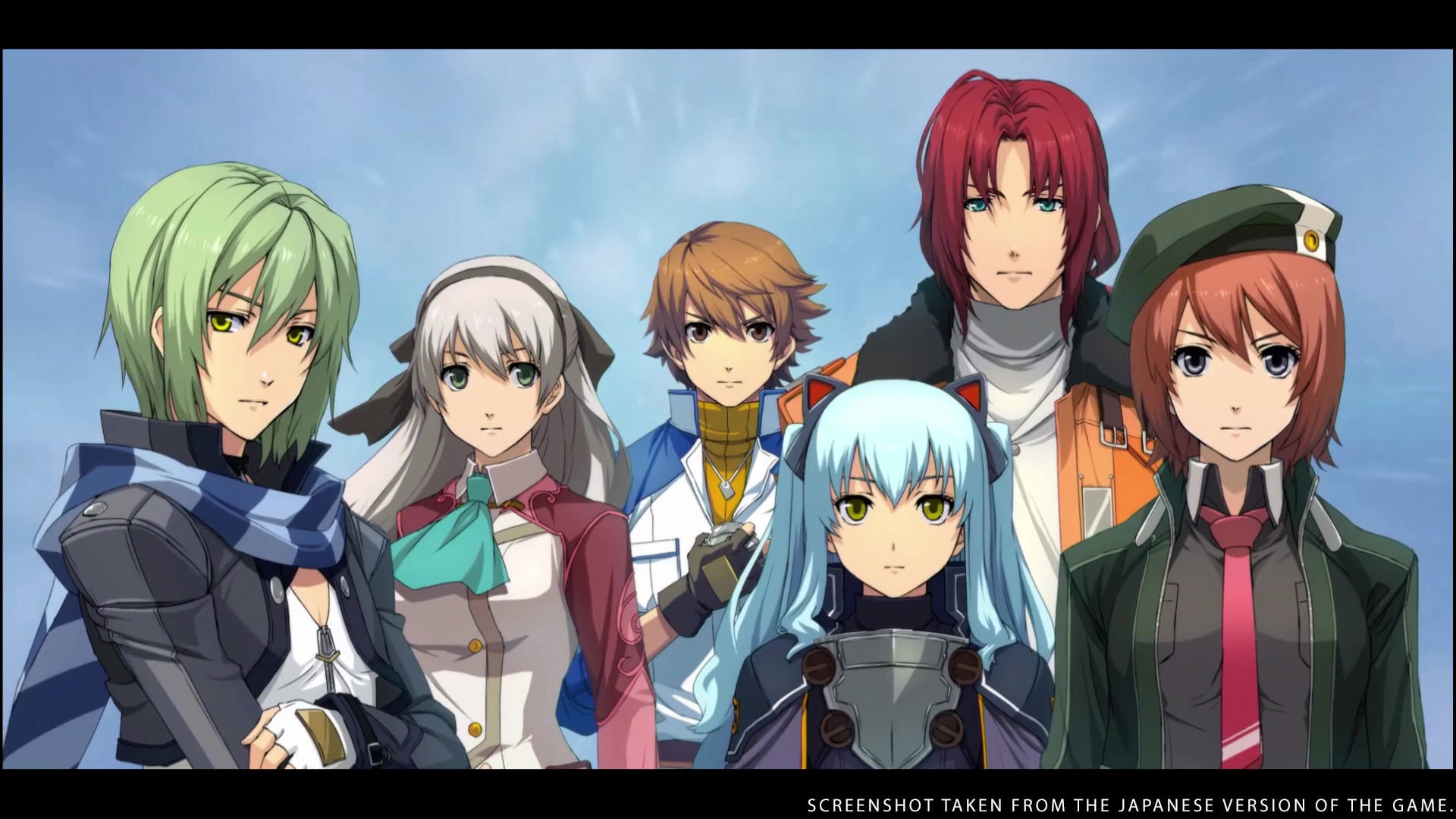
Combat in Zero and Azure uses the same systems as Sky with Sepith values while also introducing lite new mechanics to the fray, such as party attacks. Azure drastically alters Orbments with the introduction of Master Quartz, too, giving it a more instilled sense of gameplay identity. At their core, though, the combat progression across these games is essentially an updated iteration of what the Sky saga provided.
Unlike the Sky games, where players journey across the land of Liberl, Zero and Azure instead primarily take place in Crossbell City proper alongside the settlements around its immediate vicinity. Speaking of the city itself, Crossbell is arguably the most unique of the regions in Zemuria since its geographical location is rather precarious, right between Erebonia and Calvard.
It is a comparatively minuscule region that is politically important and often desired for occupation by higher military powers. These factors serve to make Crossbell a melting pot of sorts, fraught with all kinds of perils unique to itself. The criminal activity taking place in the recesses of the city is only more pronounced with the standout, particular identity Crossbell has found itself engraved with.
The narratives of these games also wield this facet in spades, making it a more politically involved affair than what the Sky saga provided. I’d argue the actual location of Crossbell is where its strengths shine the brightest, as there’s truly no other city in Zemuria boasting its consistently involved depth.
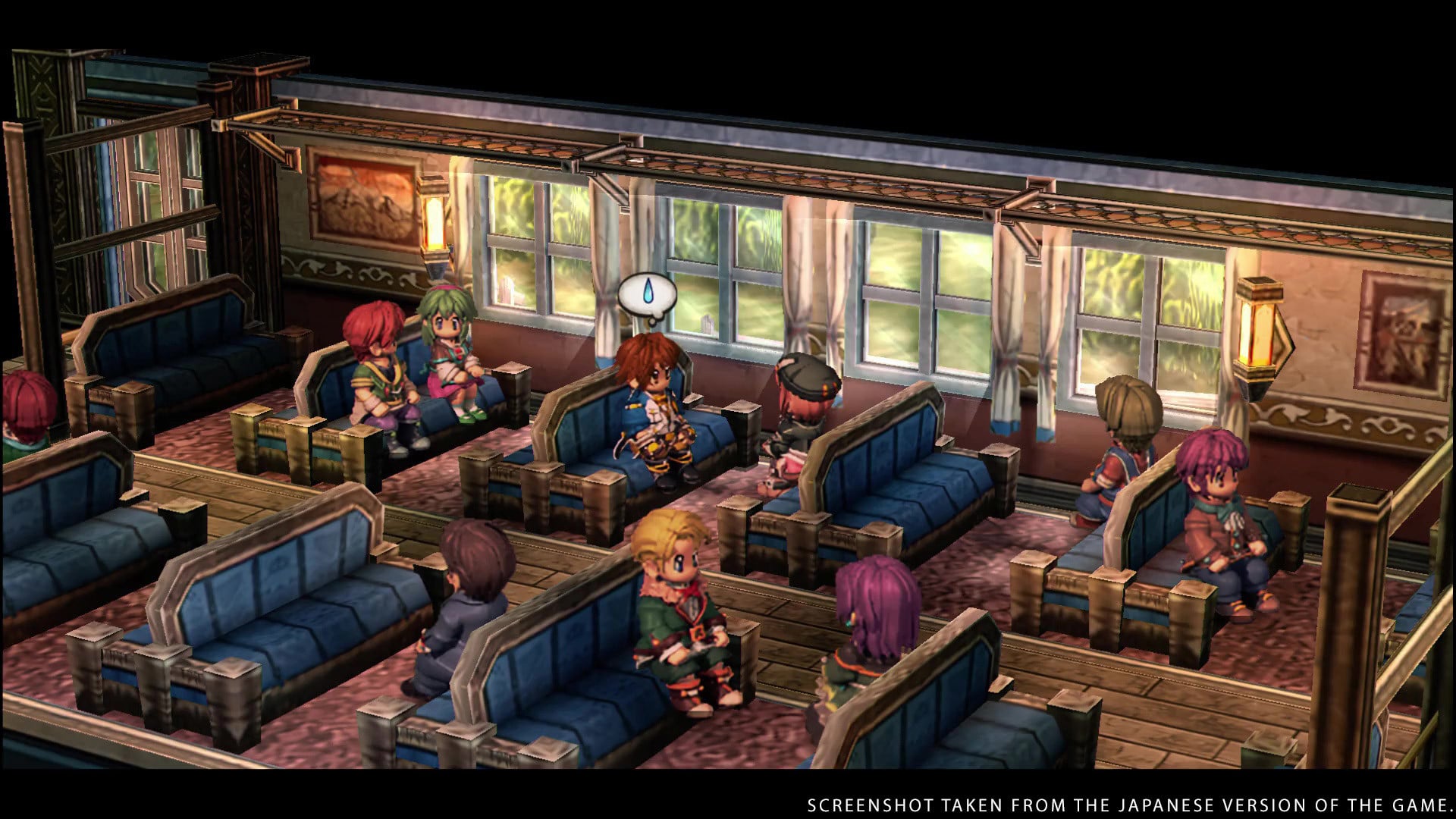
One of Crossbell’s other strengths is that since it’s mostly confined to a relatively compact map, there is conceptually more intimacy with the NPCs, thereby selling the city’s higher degree of intricacy. The divisions of the city with areas like the Entertainment District, where a certain group of famous dancers performs, and the Administrative District, where the police and other key figures work, also further enhance the liveliness and realism.
Personally speaking, the Crossbell games are my least favorites of the series for reasons I won’t get into here, but it is the most beloved saga for several vocal fans. Additionally, its connectivity to Trails into Reverie continues to highlight its long-lasting implications and importance to the series at large.
Due to how these games interconnect with Cold Steel I and II, I will offer the suggested play orders after the following section.
The Legend of Heroes: Trails from Zero and The Legend of Heroes: Trails to Azure are both available on PlayStation 4, Nintendo Switch, and PC.
UPDATES 3/2/2023: A fan-translated drama CD fans should check out is “Road to the Future,” taking place between Trails from Zero and Trails to Azure. While viewing this is not at all necessary to understand the events of Trails to Azure, it provides appreciative and endearing context.
The Legend of Heroes: Trails of Cold Steel I – IV
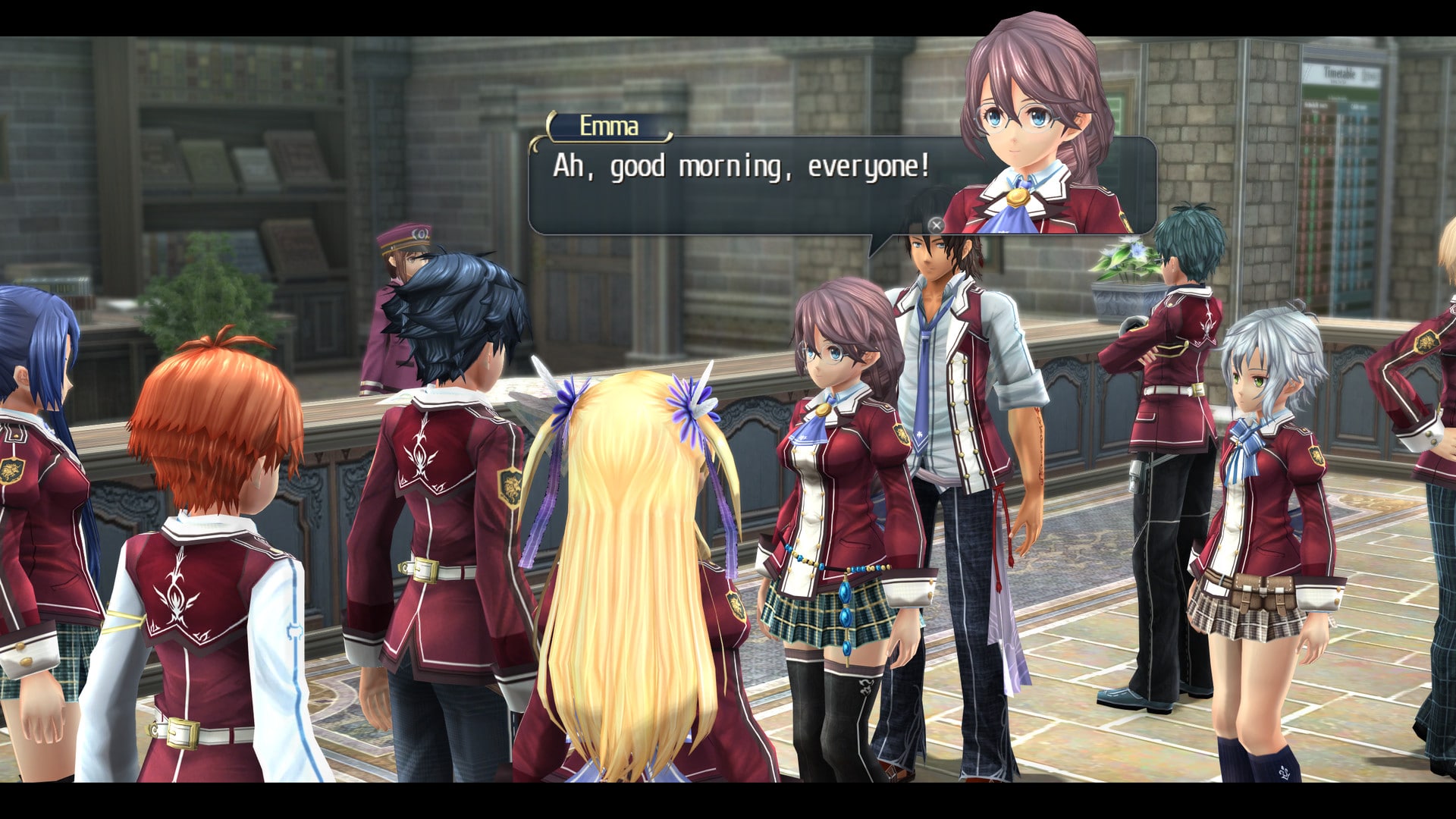
The Cold Steel saga is the most recently concluded one, with Trails of Cold Steel IV having been localized. These games take place in the region of Erebonia, with protagonist Rean Schwarzer spanning across all four games. The first two games are roughly concurrent to the Crossbell duology, which is a first, and the only attempt for the series attempting simultaneous world-building and storytelling across various titles.
Cold Steel I focuses on the newly formed Class VII in Thors Military Academy, an unquestionably bizarre student body given that Erebonia has class divisions based on status and upbringing, and Class VII brings all sorts of individuals together, regardless of their background. The newly conceptualized and realized class finds themselves dealing with conventional studies and Field Studies, which take them beyond the borders of their campus all across Erebonia, learning more about the plights of the region.
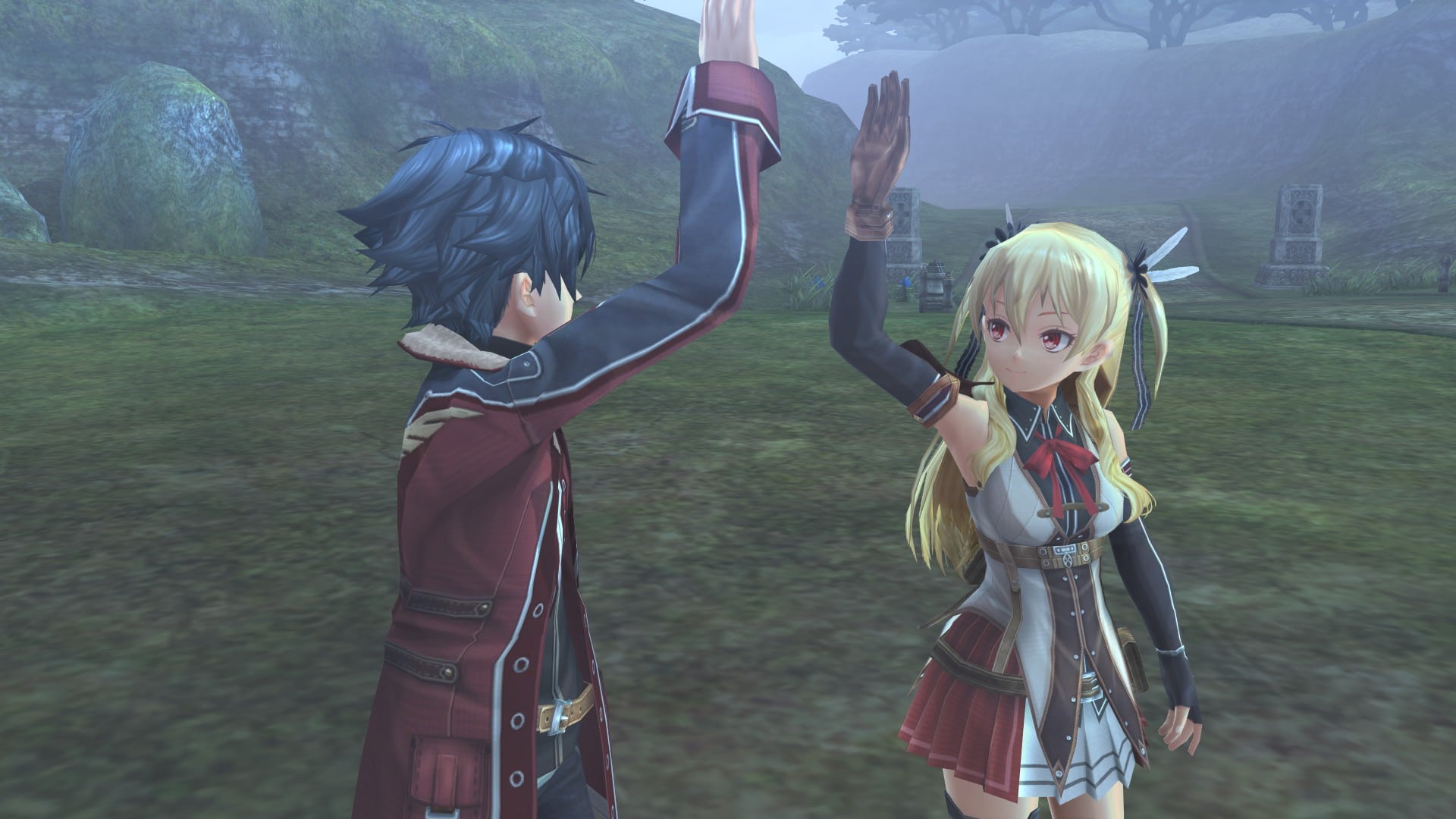
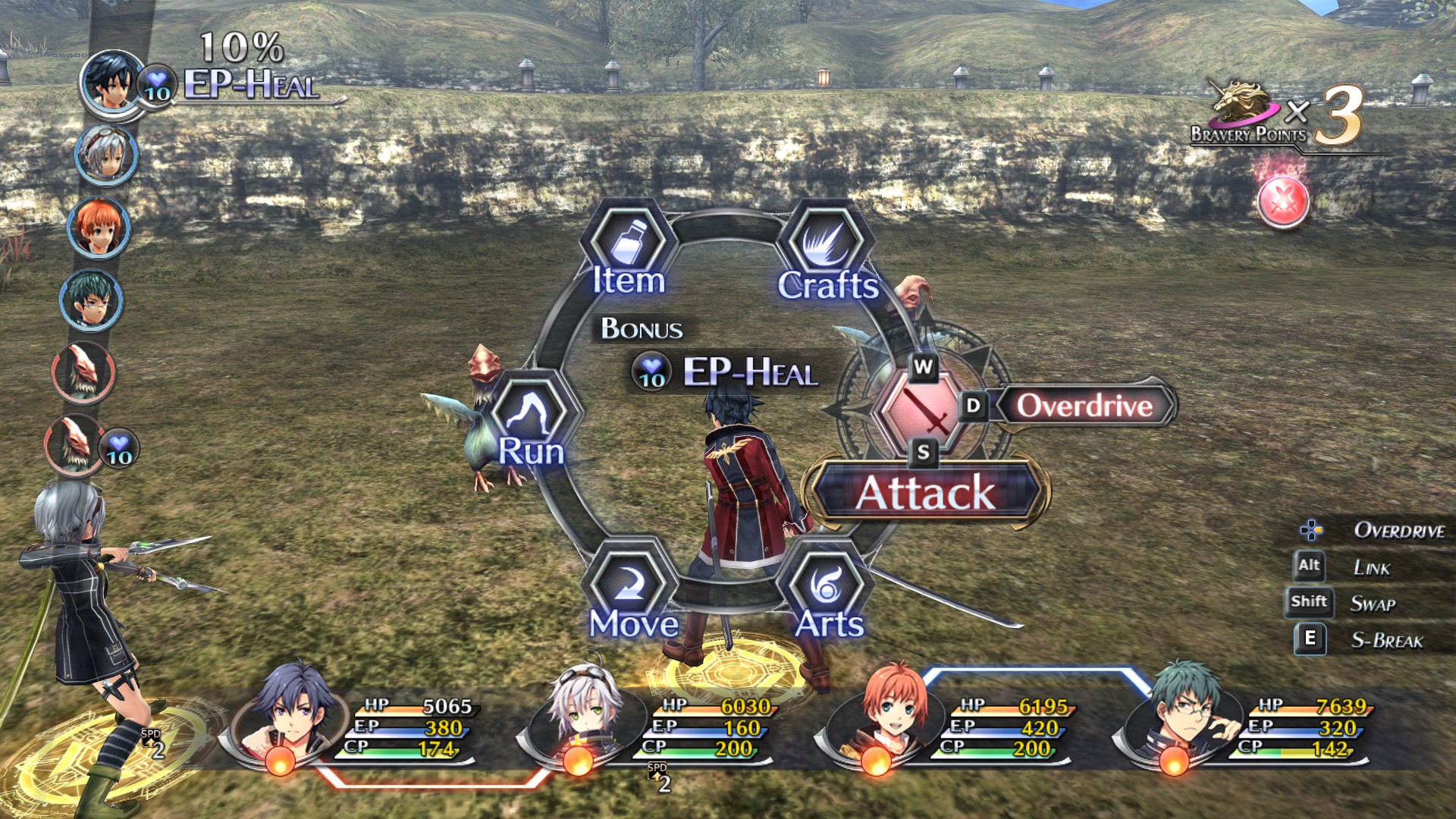
The gameplay in the Cold Steel saga takes a different approach from what was present in the Sky and Crossbell sagas, aiming to be more beginner-friendly. For one, Sepith values are no longer present, simplifying the process of Orbments, and the introduction of Sepith Mass makes obtaining money a less time-consuming practice.
The Master Quartz system from Trails to Azure returns and gets progressively more intricate in utility as the games progress. For instance, Sub Master Quartz gets introduced, but I’d argue the sense of player agency present with Sepith Values is never quite reached in this saga.
The playable cast is at an all-time high in Cold Steel, with both brand-new characters and returning ones from both the Sky and Crossbell sagas. Cold Steel III and IV take place a considerable amount of time after Cold Steel II and Trails to Azure, and this is where more of the Sky and Crossbell cast make their grand return.
The Cold Steel saga is certainly the most controversial of the three completed ones. Still, it hones in on aspects the Sky and Crossbell arcs never tackled in an in-depth manner. Character interaction, for instance, is at its height across these four games with the introduction of bonding events. On rest days, players can hang out with characters who happen to be free for those particular times. This mechanical inclusion also grants further reason for playing through the games on NG+ beyond just difficulty. It’s rare for JRPGs to smartly encourage NG+, and Cold Steel manages to do so.
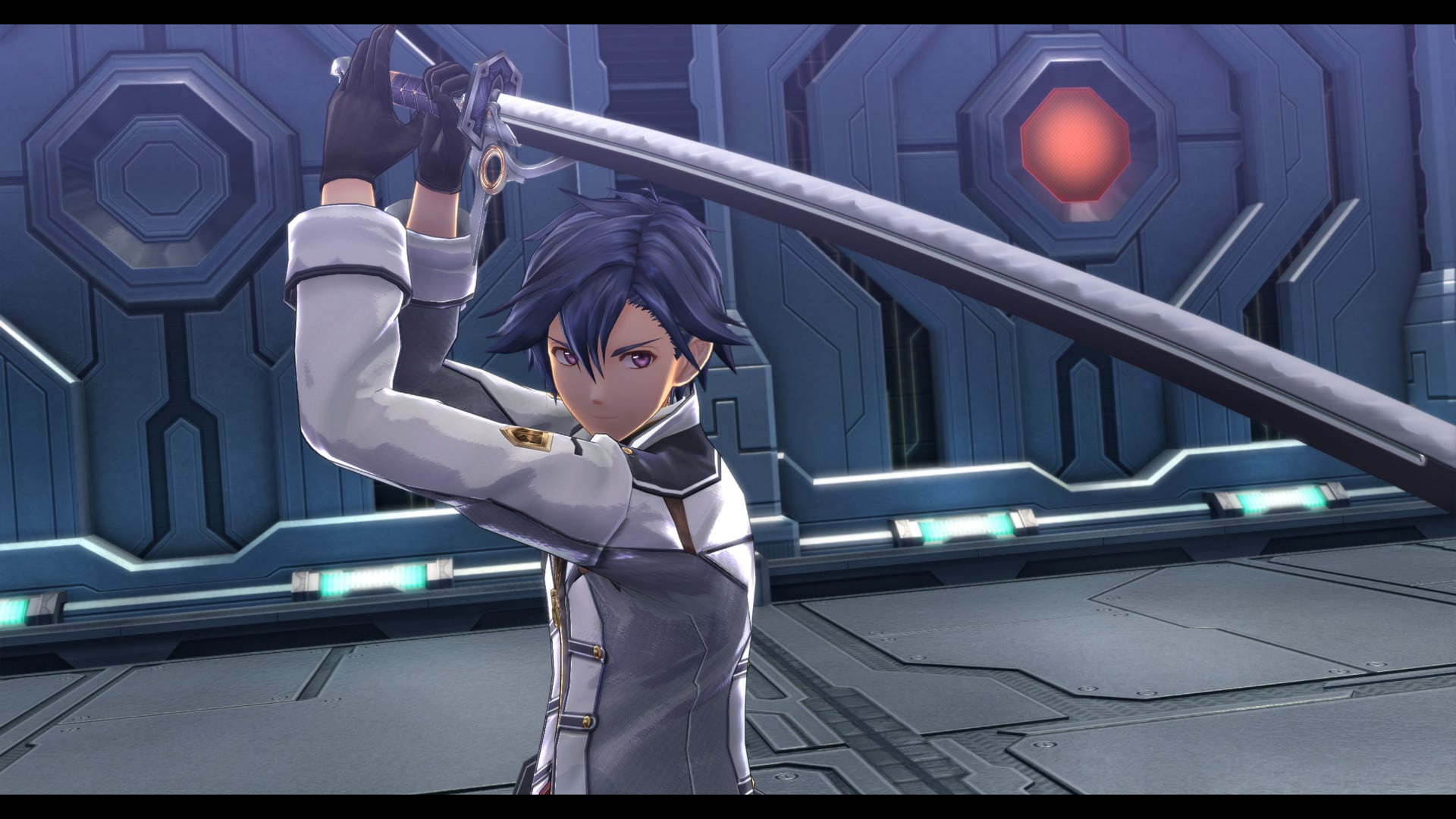
Bonding events originated in the Crossbell duology, but they are far more frequent and active in the Cold Steel titles. These events have a mixed reception from fans as they rob some reveals and exchanges of the characters that could have taken place throughout the course of the main narrative. I wouldn’t say this ruins the cast’s likeability or appeal whatsoever, but it can certainly be perceived as a flaw that can potentially sour a player’s experience depending on their feelings about the cast in the main stories.
There is far more casual character banter between the leading members of the cast, which, at least in my opinion, serves to make them among the most relatable and genuine of the series so far, even amongst the supernatural elements. Additionally, this arc being spread out across four games instead of two, or three, makes it so most developments can take their time and instill themselves more directly within the players’ minds and the confines of Erebonia. This isn’t to say the story pacing is perfect, as it still has its fair share of issues, but it more than gets the job done suitably enough, and most importantly, the characters get time to breathe, react, reflect, and converse.
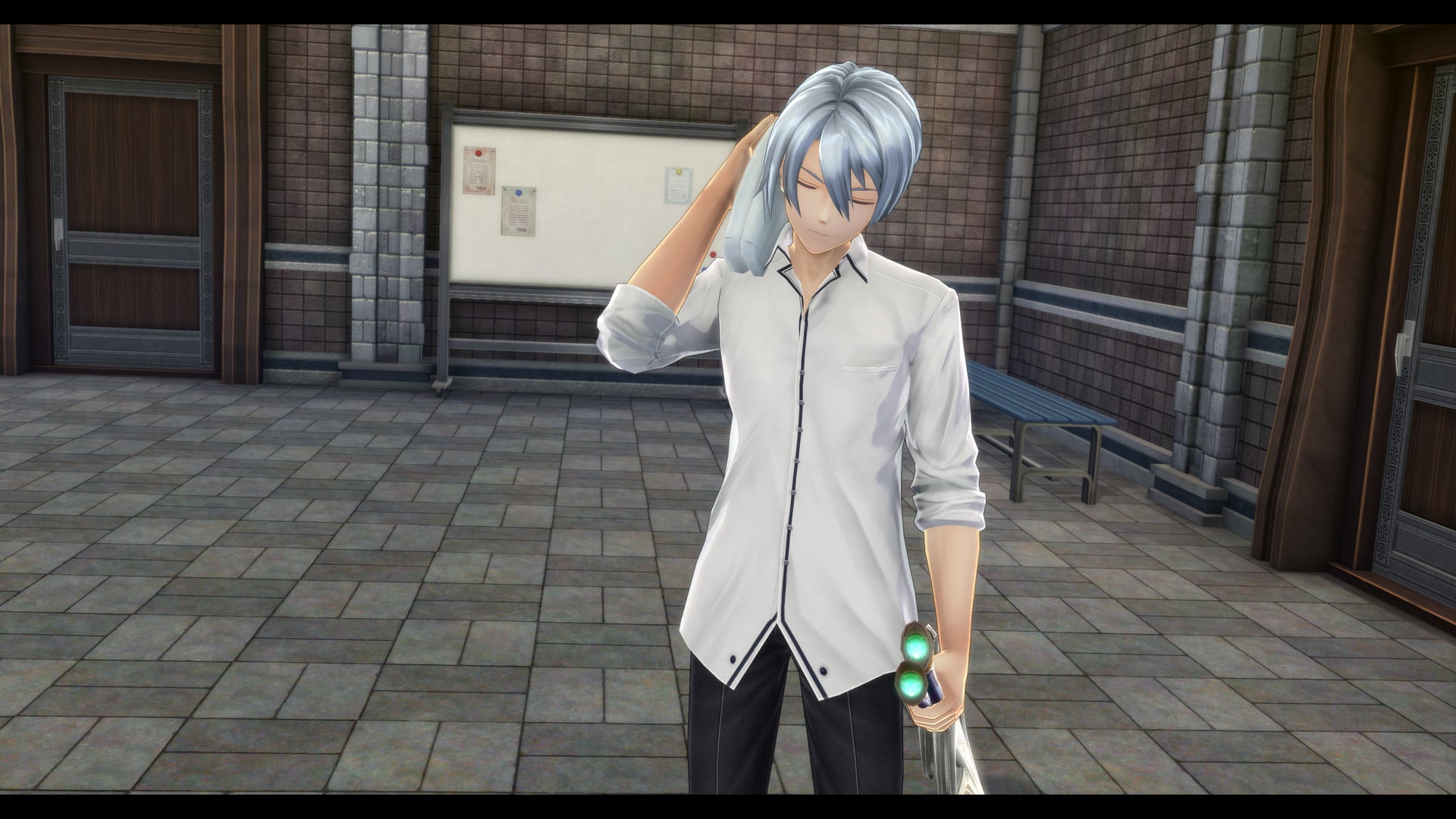
One critique some players have about this saga is that Rean has multiple love interests. This critique really originated during the Crossbell duology, where great amounts of lewd fanservice occurred, but it has received far more flack in the Cold Steel saga.
However, how these tropes affect the experiences depends entirely on the player’s preferences and are by no means inherent negatives, despite what some closed-minded fans may preach. As controversial of a take as this is, I did not find the multiple romance options to ruin or even take away from the saga at large, but I could just be objectively wrong in the eyes of the fanbase, so who knows.
Moving on, combat, while not quite as detailed or complex as Crossbell and Sky might be, still retains the Trails charms and staple mechanics, and the gradual rollout of innovations for the battle systems keeps it all fresh.
If I were to summarize the appeal of the Cold Steel saga, I’d say it’s the characters. Of course, not everyone agrees with that take, but I find the approaches and executions of most of the cast to be adept and enticing. The narratives throughout these four games are present, but they certainly take a back seat in favor of effective characterizations.
Personally, the Cold Steel arc is my favorite, if that wasn’t obvious enough. However, the fanbase is quite contentious with these four games in particular, so I advise playing them and forming your own conclusions first before ever delving into conversations online, as those can easily ruin the experiences these titles provide if one is susceptible to sheep-like internet hiveminds.
The Legend of Heroes: Trails of Cold Steel and The Legend of Heroes: Trails of Cold Steel II are published by XSEED for PlayStation 3, PS Vita, PlayStation 4, and PC via Steam and GOG.
The Legend of Heroes: Trails of Cold Steel III and The Legend of Heroes: Trails of Cold Steel IV are published by NIS America for PlayStation 4, Nintendo Switch, and PC via Steam and GOG.
The PC and PlayStation 4 versions of Cold Steel I and II have turbo-mode and additionally voiced dialogue in English, so I advise sticking with those releases.
One note to keep in mind for Trails of Cold Steel and Trails of Cold Steel II is that both of these titles received Drama CDs in Japan, which, for those who don’t know, are audio-centric supplemental media for whatever franchise they are a part of.
There is one Drama CD for Cold Steel I and another for Cold Steel II. The other Trails arcs also have Drama CDs, but these two, in particular, are integral parts of the Cold Steel experience. Thankfully, XSEED has officially translated both Drama CDs. (Be wary of clicking that hyperlink as it does lead to potential spoilers if one is not careful)
The Cold Steel I Drama CD is best read after beating the said game, and the Cold Steel II Drama CD is best read after reaching Act II, though its relevance is only prevalent once players reach Cold Steel IV, so it can be backlogged until then.
UPDATE 7/13/2024: It’s also worth mentioning that Cold Steel II specifically has plot-relevant New Game Plus content. So, even if you don’t intend to play the title again on New Game Plus, it is absolutely worth looking up the exclusive content online.
The Legend of Heroes: Trails into Reverie
NOTE: This specific section was added on March 2, 2023.
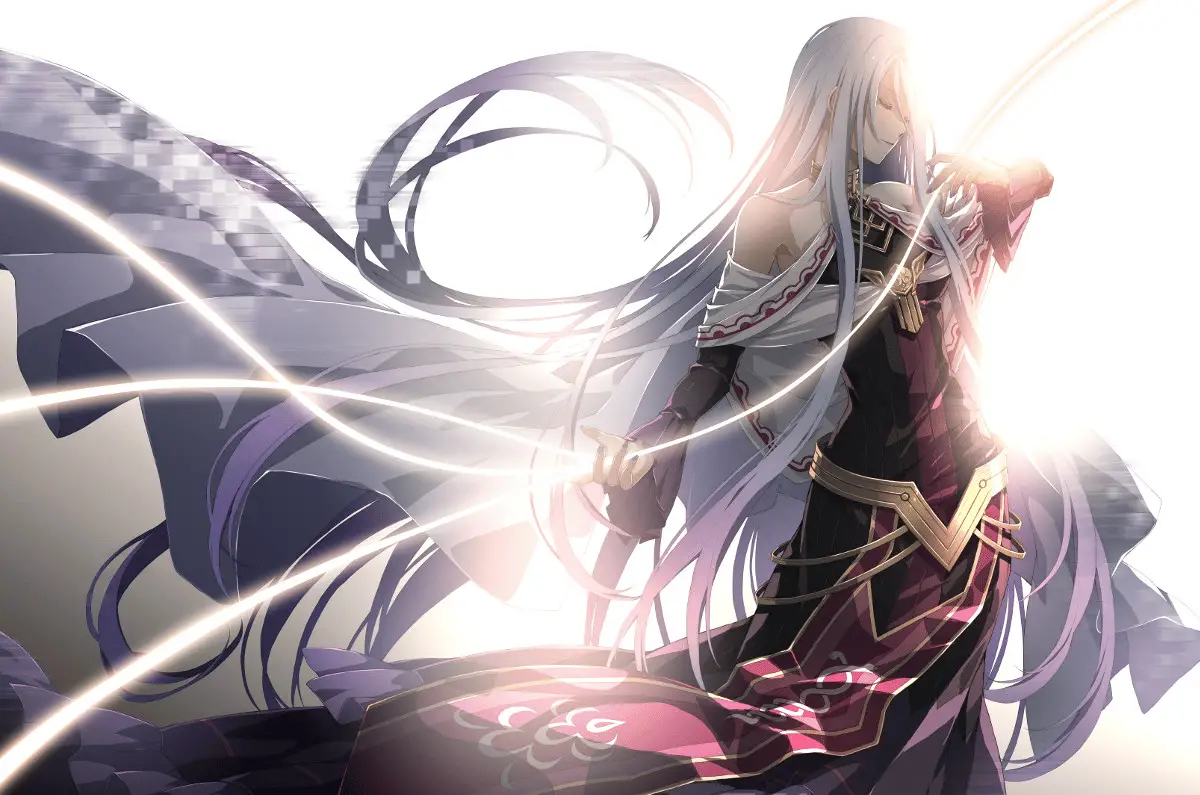
This entry occurs after the events of Trails of Cold Steel IV and is best experienced after experiencing each of the aforementioned titles.
Countless characters from the previous arcs all unite against a common threat, and it can be perceived as a curtain call of sorts for several narrative and relationship threads. For the purposes of this guide, discussing this game any further is needless since it’s a hotpot of spoilers.
The Legend of Heroes: Trails into Reverie is available on PlayStation 4, PlayStation 5, Nintendo Switch, and PC.
The Legend of Heroes: Trails through Daybreak
NOTE: This specific section was added on March 2, 2023.
NOTE: This specific section was updated on July 13, 2024.
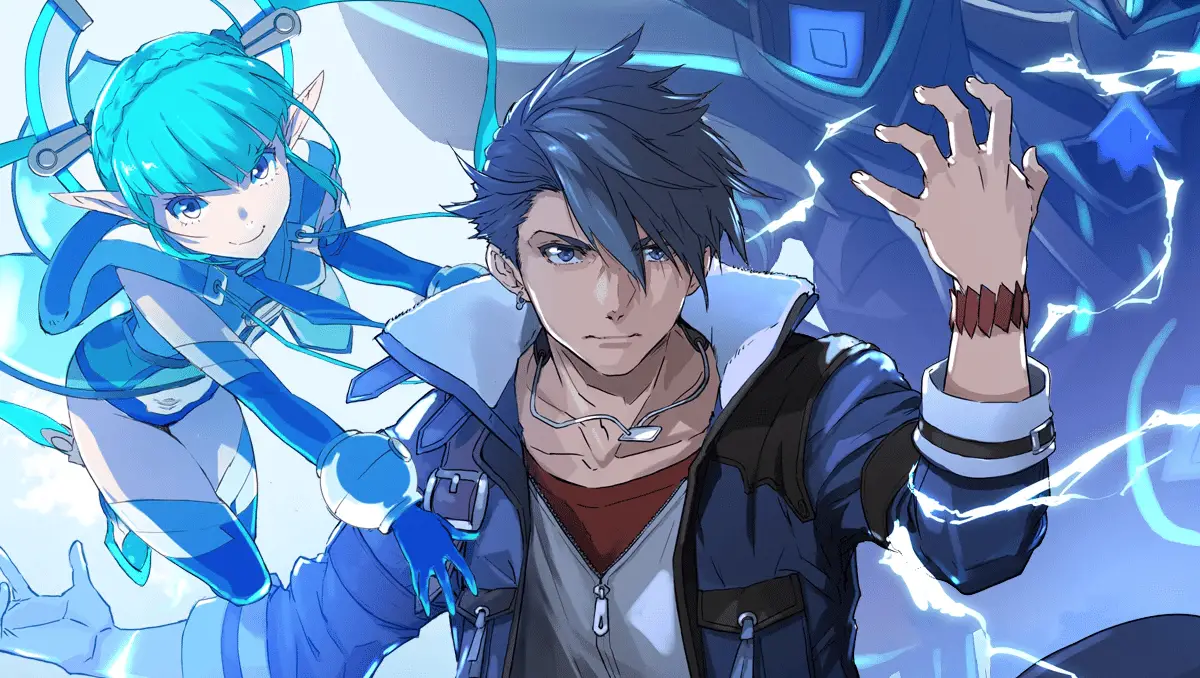
The Legend of Heroes: Trails through Daybreak is the current arc for the franchise, occurring after the events of Trails into Reverie. It takes place in Calvard and features a new protagonist and cast, with some returning characters from previous games. Additionally, combat has undergone a significant shake-up, with action now freely swappable with turn-based in several circumstances, granting an impressive degree of player choice. Orbments are also pretty different this time around, too.
Following the large-scale implications seen in the Cold Steel saga, we now follow protagonist Van Arkride, a protagonist who differs conceptually from the likes of every past one. He’s a Spriggan, meaning he takes on jobs from those who can’t turn to the Bracer Guild, police, or even criminal groups. He fits a particular societal niche that’s surprisingly effective. This perspective gives him the capability of perceiving and interacting with the world with a seemingly more open-minded lens, which is necessary to see all Calvard offers.
What makes Daybreak stand out besides that conceptual hook is that, by the time the first game starts, Van has already experienced his fair share of strife that the player is not privy to, to the extent that it could probably take multiple games on its own. Van is the oldest protagonist in the series, and that facet is embraced in how he acts like a mentor figure to most of the central cast. More than the previous protagonists, there’s a noticeable distance between Van and the player, fueling curiosity.
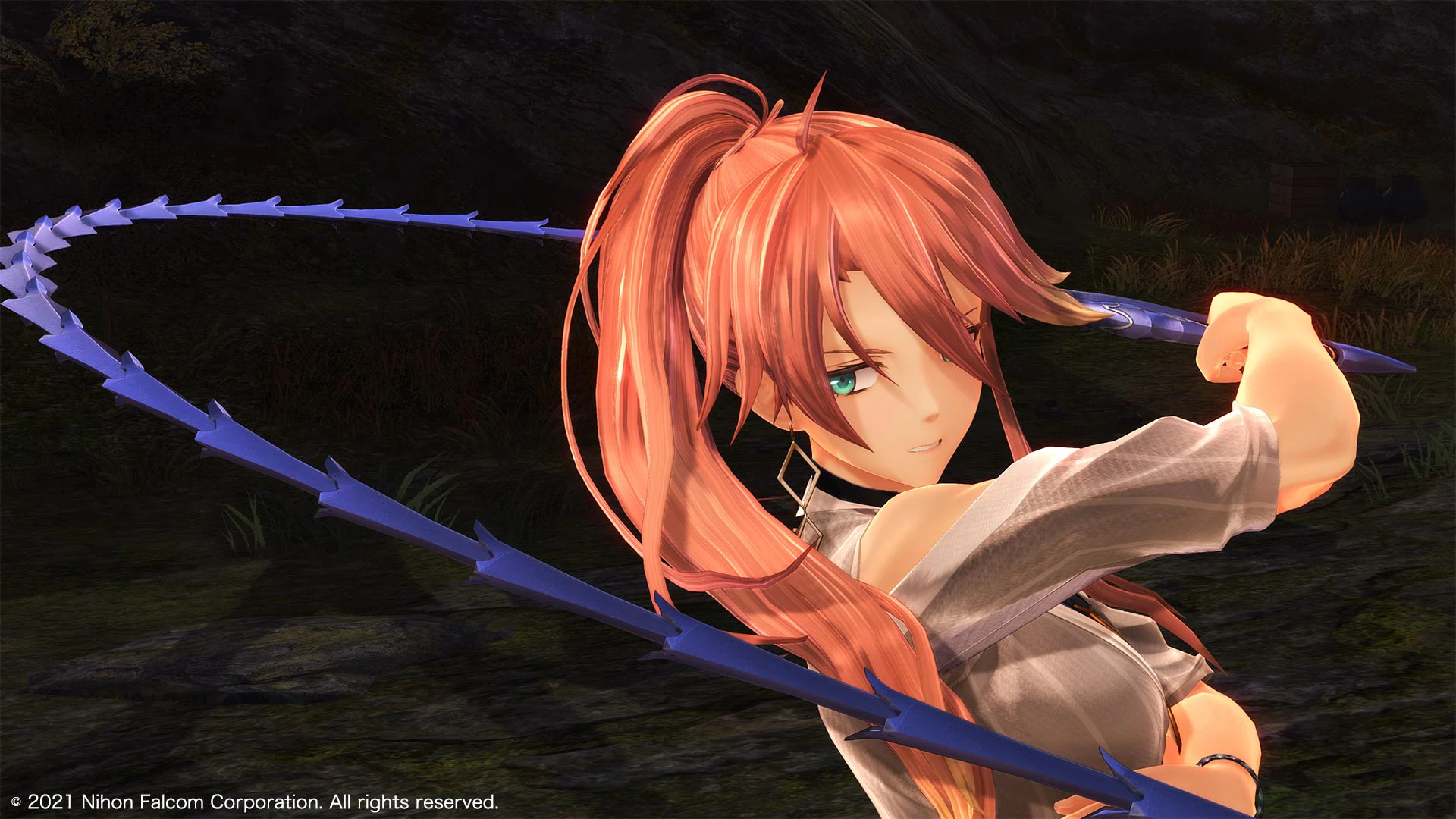
Interestingly, Daybreak is sort of a fusion of each of the previous arcs’ pacing. A hub town is present, like Cold Steel and Crossbell, but you visit brand new cities and gain new party members as you progress, with the latter aspect incredibly similar to Sky. Moreover, Van has access to a moral alignment system, where the choices you make during select story and sidequest scenes lean toward being Lawful, Gray, or Chaotic.
Another notable feature of Daybreak is the presence of both turn-based and action combat, with the former differing in its customizations entirely from every previous saga. Sepith values have returned, yet their implementation is a separately steep learning curve. On the other hand, the action combat is jarringly simple but boasts seamless transitions with turn-based encounters.
To be candid, Daybreak is a welcome entry point for prospective fans since it’s the first genuine clean slate the series has seen since Cold Steel I. Granted, you would miss out on references and be spoiled on certain events from previous titles, but you’d likely only really parse the generalities anyway.
The Legend of Heroes: Trails through Daybreak is available on PlayStation 4, PlayStation 5, Nintendo Switch, and PC.
The direct sequel, The Legend of Heroes: Trails through Daybreak II, will be released in the West in early 2025.
The Legend of Heroes Kai no Kiseki -Farewell O Zemuria
NOTE: This specific section was added on July 13, 2024.
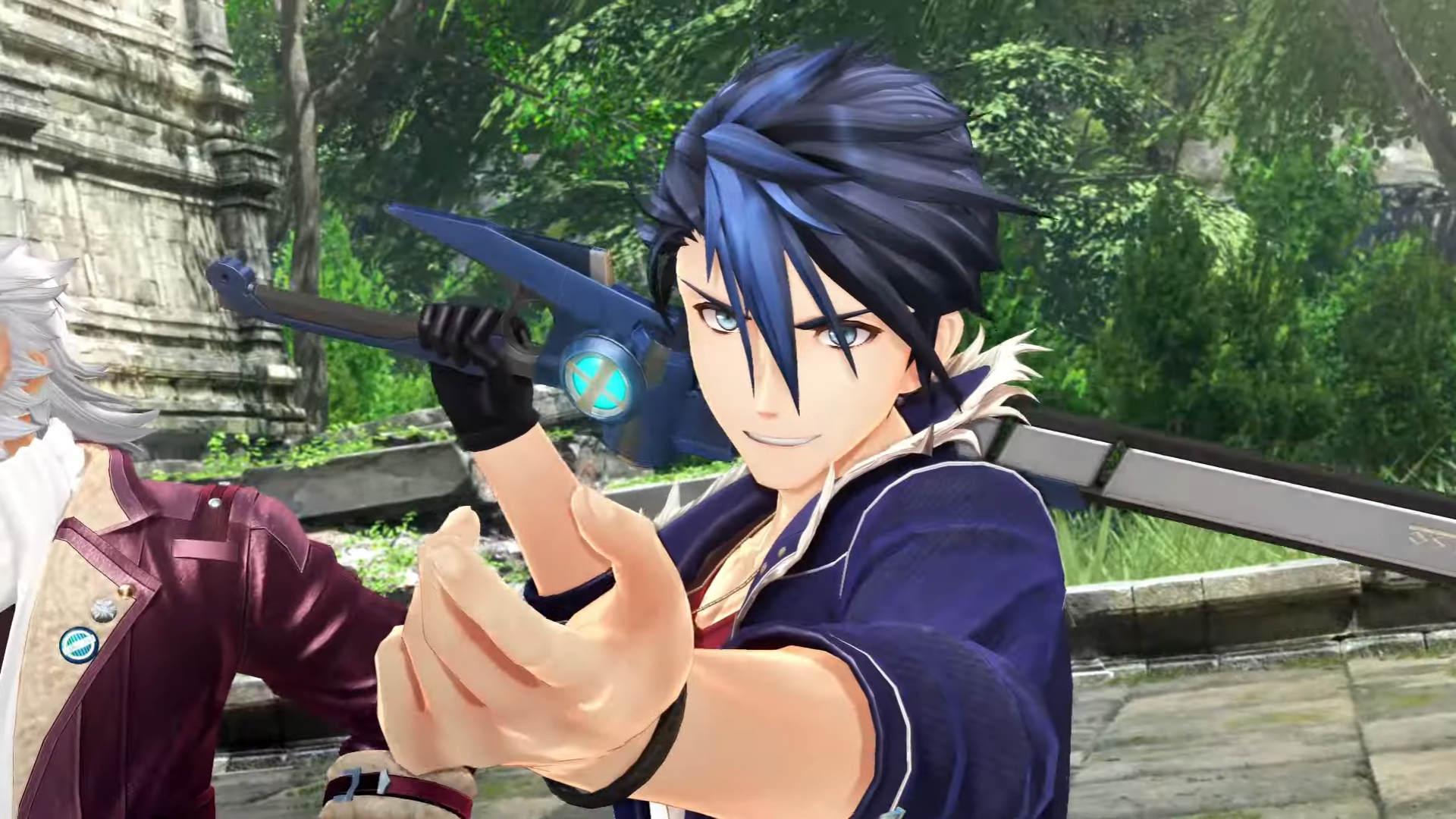
The Legend of Heroes Kai no Kiseki -Farewell O Zemuria will be the latest entry in the franchise, with it set to be released in Japanese, Traditional Chinese, and Korean on September 26, 2024. There is currently no word on a Western launch.
This title will follow up on the events of The Legend of Heroes: Trails through Daybreak II and seemingly be the conclusion to the Calvard arc. However, it will also unite several characters from older sagas once again, making it somewhat akin to another Trails into Reverie.
The Play Orders
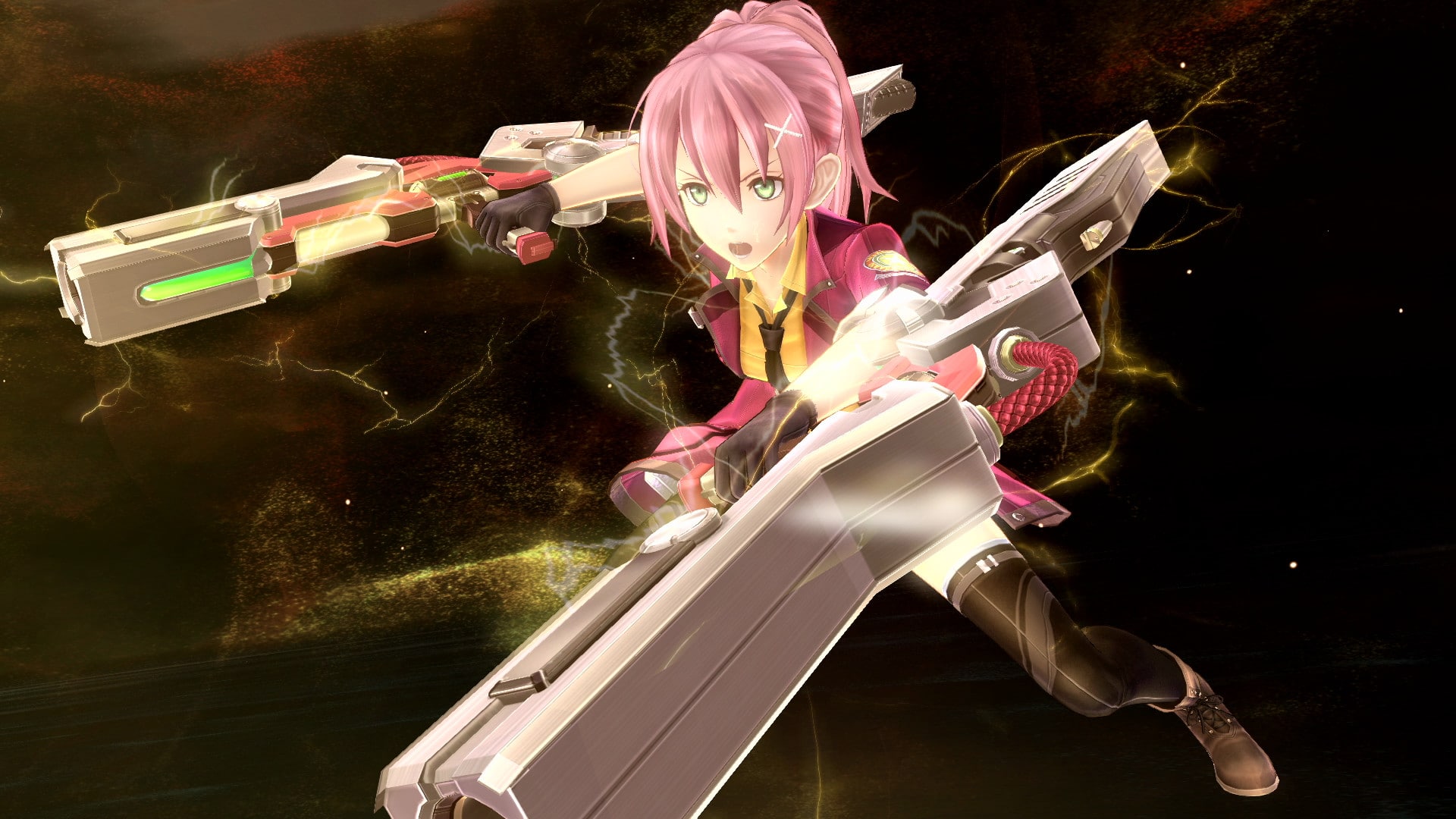
UPDATE 3/2/2023: Drama CDs have been added to these orders:
UPDATE 7/13/2024: Trails through Daybreak and the two Sky manga series have been added to these orders, and some sentences have been changed/removed following recent releases and developments.
And so, we have finally reached this concluding series of points. So, before jumping straight into the play orders, you may have noticed I have not discussed The Legend of Nayuta: Boundless Trails. The reason being is that it is a self-contained spinoff that does not require knowledge of any of the other games to understand and enjoy. Admittedly, there are potentially feasible theories that may make Nayuta canon, but nothing is explicitly canon right now.
Since that is the case, you can play Nayuta whenever you want.
The following list is the play order going by each of the game’s release dates. This is usually the most recommended order and is certainly more than suitable enough for any prospective players to follow.
- The Legend of Heroes: Trails in the Sky
- The Legend of Heroes: Trails in the Sky SC
- The Legend of Heroes: Trails in the Sky the Third
- The Tale of Loewe: Trails of the Sky Gaiden Fan-Translated Manga
- “Advanced Chapter” Fan-Translated Drama CD
- The Legend of Heroes: Trails from Zero
- The Ring of Judgment Fan-Translated Manga
- “Road to the Future” Fan-Translated Drama CD
- The Legend of Heroes: Trails to Azure
- The Legend of Heroes: Trails of Cold Steel
- The Legend of Heroes: Trails of Cold Steel II
- “The Remote Town of Alster” Officially Translated Drama CD [Best read once you reach Act II in Cold Steel II, but its context is not needed until reaching Cold Steel IV]
- The Legend of Heroes: Trails of Cold Steel III
- The Legend of Heroes: Trails of Cold Steel IV
- The Legend of Heroes: Trails into Reverie
- The Legend of Heroes: Trails through Daybreak
This next list is my own personal preferred play order. It deviates from the release order, so it is contentious, but I do have my reasons. The one change is how Cold Steel I’s and II’s placements are swapped with Zero’s and Azure’s. This is because due to these games occurring roughly concurrently with one another, there are occasional spoilers dropped for the other arc in-game. For instance, Azure contains spoilers for key twists in Cold Steel II and vice versa.
Now, this is just my personal preference here, so it really depends on how you feel, but I find the ways that Azure spoils Cold Steel II to far outweigh the gravity of what Cold Steel II shows and tells for Azure.
Further, while one can theoretically first play Zero, then Cold Steel I, and then jump into Azure or Cold Steel II, I find that to be a bit too messy for the jarring alterations in gameplay design and presentation one would have to contend with repeatedly.
Keep in mind that the Crossbell titles are my least favorite in the franchise, so it is very likely that my adverseness to certain elements of that arc shapes this preference. Regardless, I shall provide my advised play order for those willing to give it a shot.
- The Legend of Heroes: Trails in the Sky
- The Legend of Heroes: Trails in the Sky SC
- The Legend of Heroes: Trails in the Sky the Third
- The Tale of Loewe: Trails of the Sky Gaiden Fan-Translated Manga
- “Advanced Chapter” Fan-Translated Drama CD
- The Legend of Heroes: Trails of Cold Steel
- The Legend of Heroes: Trails of Cold Steel II
- “The Remote Town of Alster” Officially Translated Drama CD [Best read once you reach Act II in Cold Steel II, but its context is not needed until reaching Cold Steel IV]
- The Legend of Heroes: Trails from Zero
- The Ring of Judgment Fan-Translated Manga
- “Road to the Future” Fan-Translated Drama CD
- The Legend of Heroes: Trails to Azure
- The Legend of Heroes: Trails of Cold Steel III
- The Legend of Heroes: Trails of Cold Steel IV
- The Legend of Heroes: Trails into Reverie
- The Legend of Heroes: Trails through Daybreak
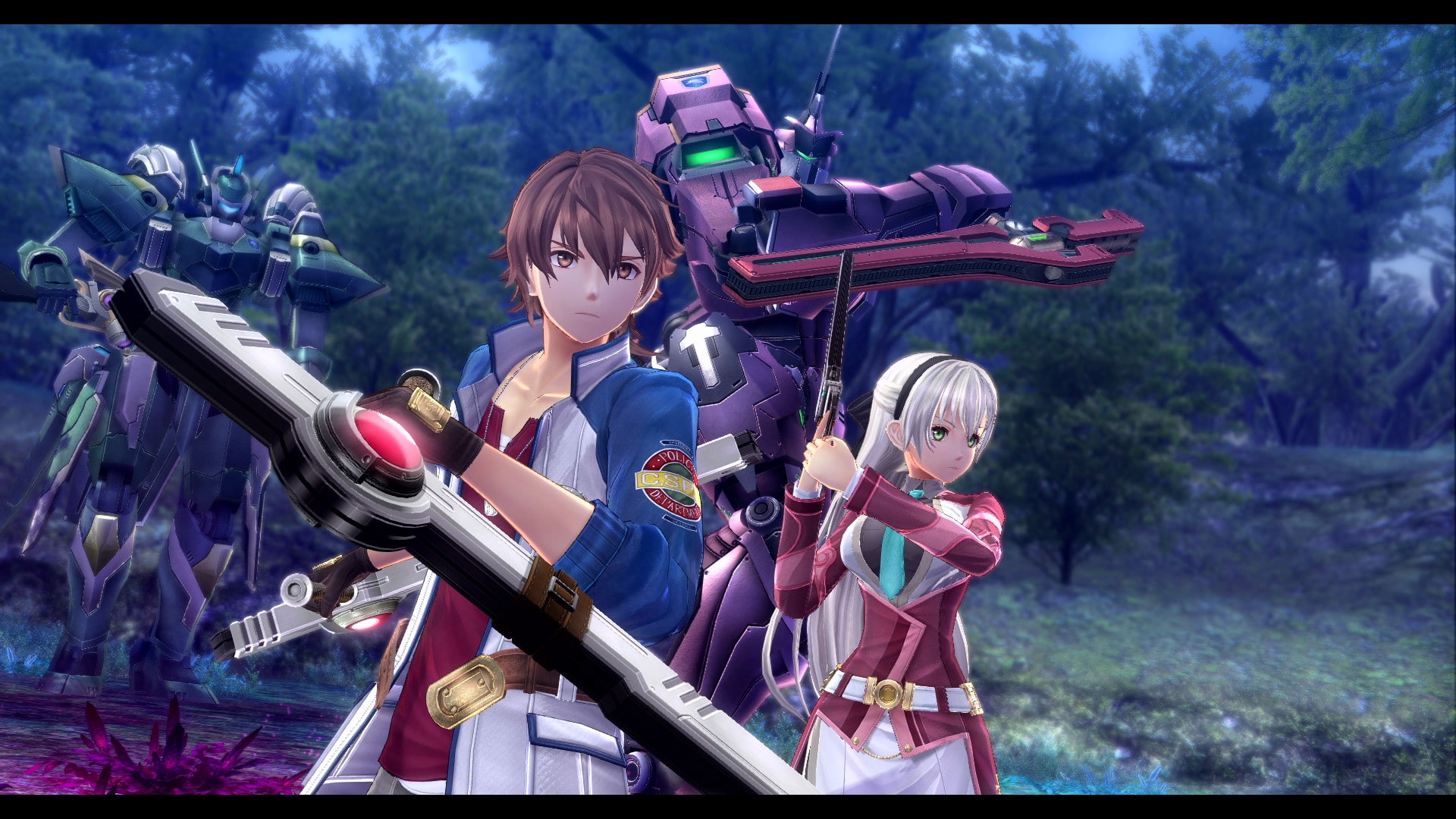
The next and final list is my advised play order for those who just can’t find themselves getting into the series when beginning with Sky since, for as great as those games are, they may not be some players’ cups of tea in regards to presentation.
Granted, those games and Crossbell (which has the same art style) will need to be played for full comprehension later on, but Cold Steel’s lack of comparative datedness may make players push past that initial graphical turn-off. On the other hand, Daybreak’s relatively self-contained nature in Falcom’s new modern engine makes it immensely approachable to vaguely curious parties.
- The Legend of Heroes: Trails through Daybreak
- The Legend of Heroes Trails of Cold Steel I
- The Legend of Heroes Trails of Cold Steel II
- “The Remote Town of Alster” Officially Translated Drama CD [Best read once you reach Act II in Cold Steel II, but its context is not needed until reaching Cold Steel IV]
- The Legend of Heroes: Trails in the Sky
- The Legend of Heroes: Trails in the Sky SC
- The Legend of Heroes: Trails in the Sky the Third
- The Tale of Loewe: Trails of the Sky Gaiden Fan-Translated Manga
- “Advanced Chapter” Fan-Translated Drama CD
- The Legend of Heroes: Trails from Zero
- The Ring of Judgment Fan-Translated Manga
- “Road to the Future” Fan-Translated Drama CD
- The Legend of Heroes: Trails to Azure
- The Legend of Heroes: Trails of Cold Steel III
- The Legend of Heroes: Trails of Cold Steel IV
- The Legend of Heroes: Trails into Reverie
I don’t have Trails from Zero first in any of these play orders because, as I’ve mentioned, it contains notable returning Sky characters that are pretty integral to the events that play out. The returning characters in Cold Steel I and II are not in the same vein of necessity for knowing.
If there are two advisements I have for whichever order you choose, be it from this article or somewhere else entirely, I strongly believe the Sky trilogy is best experienced first. I also find Cold Steel III and IV to be best experienced after the Crossbell duology since the former two games occur after the Crossbell narratives conclude.
A final specific recommendation I have has to do with how you will find collectibles, such as books spread out across each of these games, telling their own contained stories and missable quests both in your face and not. To be blunt, you will undoubtedly need guides so as not to miss any of these components.
This is one of the major faults with the series, but if you intend to do everything you can in a playthrough, using a guide is the wisest move to make, as there is a variety of missable content. Daybreak is exempt from this point since it lacks character notes and missable book series.
Also, it’s advised to take your time playing these games. Their charm ultimately lies in their dialogue, and rushing through their stories and interactions will serve to lessen the potential impact these titles may have on you. But, again, there is no rush, as there is currently plenty to play and digest in the West for complete newcomers.
This article was an immense undertaking, so I hope there are those who derive some vital information here for how to approach the Trails series in any which way. Trails is my second favorite franchise in all of gaming, and I want as many people to experience these games as possible.
The fanbase may not be welcoming or kind to those who prefer certain titles over others, but don’t let that stop you from experiencing all of these stellar games.
If you’re curious about the Ys games, developer Nihon Falcom’s other prominent franchise, check out our deep dive into it and how a newcomer can approach tackling the myriad of games it houses.

Thanks for taking the time to make this guide!
Personally, I played Cold Steel 1 & 2, and then I really felt the desire to go back and play the others. Around then Trails from Zero was announced to be coming out so I played that and Azure before jumping back into Cold Steel 3 & 4. One day I’ll get to the Sky games, but I’m not a computer gamer so hopefully they come to console one day.